Over 170 aircraft, 200 troops, and 48 hours of cat-and-mouse evasion deep inside hostile Iranian territory just brought home two American aviators in what military officials are calling one of the most daring rescue operations in modern history.
Story Highlights
- U.S. military extracted two F-15 crew members from deep inside Iran after their jet was shot down during Operation Epic Fury
- Rescue mission involved over 170 aircraft, 200 personnel, CIA assets, and special forces operating under enemy fire with zero U.S. casualties
- Second aviator evaded capture for approximately 48 hours before extraction using A-10 Warthogs, HH-60 helicopters, and advanced technology
- President Trump personally authorized the high-risk operation from the Situation Room, declaring “whatever necessary” to bring Americans home
- Operation occurred during the second month of ongoing US-Iran conflict, with Iran remaining unaware of second missing airman until information leaked
When Peace Through Strength Means No One Left Behind
An F-15 fighter jet plummeted from the sky over Iranian territory late Thursday night after a shoulder-fired missile struck during combat operations. The pilot and weapons system officer ejected separately, landing miles apart in one of the most dangerous operational environments on Earth. What followed became a masterclass in military precision and presidential resolve that separated two Americans from certain capture or death. Trump ordered Pentagon commanders to deploy whatever assets necessary, setting in motion a rescue operation that would span nearly two days and involve resources on a scale rarely seen outside major combat engagements.
The First Extraction Sets the Stage
The pilot’s rescue came first, executed within hours of the shootdown under heavy fire from Iranian forces. Over 20 aircraft provided cover as special operations teams navigated hostile territory to reach the downed airman. Pentagon officials kept details classified initially, but the successful extraction emboldened commanders to attempt an even riskier second mission. Iranian forces, meanwhile, remained unaware a second American had survived the crash. That information vacuum became critical to mission success, though Trump later indicated he was hunting for whoever leaked intelligence that eventually alerted Tehran to the missing weapons system officer.
Forty-Eight Hours of Survival and Deception
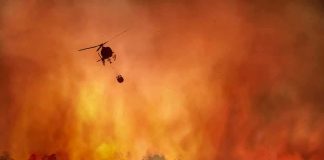
The weapons system officer spent two full days evading Iranian search parties while U.S. commanders orchestrated a complex extraction plan. Pentagon briefings revealed the use of what officials called “exquisite technologies” to confuse Iranian forces about the aviator’s location and U.S. movements. A-10 Warthogs flew “Sandy” protective roles while HH-60 Jolly Green II helicopters and HC-130 aircraft coordinated the actual pickup. Combat rescue officers and pararescue teams operated on the ground, navigating mechanical failures, enemy fire, and the constant threat of interception. The entire operation unfolded with Trump monitoring from the Oval Office and Situation Room, maintaining direct communication with field commanders throughout the weekend.
The Strategic Calculus of Risk
Military analysts and Pentagon spokesmen emphasized the mission’s extraordinary danger, with Trump acknowledging he risked potentially “a hundred dead” to bring home two Americans. Black Hawk helicopters took fire, and some aircraft sustained damage requiring abandonment. Yet the no-fail tradition of leaving no one behind drove decision-making at every level. The operation demonstrated capabilities that likely sent shockwaves through Tehran’s military command, exposing vulnerabilities in Iranian air defenses and intelligence gathering. CIA human assets on the ground provided critical support, coordinating with special warfare teams to create windows of opportunity for extraction that lasted mere minutes.
Political Theater Meets Military Reality
Trump framed the rescue as vindication of his “peace through strength” doctrine, contrasting military decisiveness with what White House communications described as “radical left lies” about unrelated domestic issues. The cinematic nature of the operation, complete with dramatic Pentagon briefings and presidential praise, served dual purposes: honoring genuine heroism while reinforcing Trump’s image as a commander willing to risk escalation for American lives. Whether this reflects sound strategy or dangerous brinksmanship depends largely on one’s view of engaging Iran militarily in the first place. The facts remain that two Americans came home alive from a situation that historically ends far differently, executed with technical precision that should make any American proud of military capabilities regardless of political tribe.
Trump announced both aviators were safely home as of April 7, with Pentagon officials calling the dual rescue “historic” and “breathtaking.” The broader US-Iran conflict continues into its second month, with Trump suggesting Tehran now seeks negotiations. Iranian missile strikes on Israeli cities, including one on Haifa that killed four, demonstrate the regional stakes involved. The rescue operation’s success may provide leverage in any future talks, having demonstrated American reach into Iranian territory with virtual impunity. Military families nationwide received reassurance that the decades-old promise to bring warriors home remains ironclad, regardless of the risks or costs involved in honoring that commitment.
Sources:
While President Trump Directed Heroic Rescue, Radical Left Spread Deranged Lies