A crowded Bangkok bar turned into a deadly trap in minutes, as 27 people died while officials again admit safety rules were ignored and “under investigation.”
Story Snapshot
- At least 27 people were killed and 63 injured when a fire ripped through a popular Bangkok pub.
- Thailand’s prime minister and city officials say the cause is still under investigation, with an electrical short and blocked exits among early theories.
- The blaze fits a long pattern of deadly nightclub fires tied to weak safety enforcement and ignored warnings.
- The case highlights a larger global problem: governments promise safety reforms after each tragedy but often fail to follow through.
What Happened Inside the Bangkok Pub
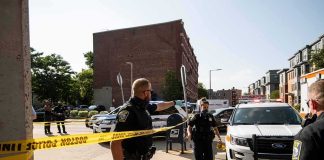
A massive fire tore through a busy pub in Bangkok in the early hours of Monday, killing at least 27 people and injuring 63 more. Officials say the venue was packed when flames and thick smoke spread quickly, trapping people who tried to reach the exits. Local video and news reports describe bodies laid out in rows outside, while rescue teams searched the burned building for more victims and tried to identify the dead.
Thai Prime Minister Anutin Charnvirakul visited the scene and confirmed that 27 bodies had been recovered from the bar. He told reporters that additional victims were being treated at hospitals and that the cause of the fire remained under active investigation. Bangkok’s disaster prevention director said 63 people were hurt, with at least 22 in critical condition, underscoring how quickly a night out turned into one of the city’s worst recent disasters.
Early Signs Point to Electrical Faults and Blocked Exits
Bangkok’s disaster mitigation officials say their first assessment is that an electrical short circuit in a ceiling air conditioner may have sparked the blaze. A musician told the prime minister he saw smoke coming from a circuit breaker shortly before flames spread, a detail now part of the inquiry. Police are also looking at possible negligence, including overloaded wiring, flammable renovation materials, and whether emergency exits were blocked or hard to reach as panicked customers tried to escape.
Thailand’s national police chief stated that investigators have “established negligence as the primary theory” guiding their work. That means authorities suspect human decisions, not just bad luck, helped turn a small spark into a deadly inferno. Officials say forensic teams are examining the wiring, building materials, and layout of the bar, but they have not yet released a full report or timeline, leaving families and the public waiting for clear answers.
A Deadly Pattern of Nightclub Fires and Weak Enforcement
This Bangkok pub fire is only the latest in a long line of nightclub disasters in Thailand and around the world. In 2009, the Santika Pub fire in Bangkok killed 66 people and injured over 220, becoming Thailand’s worst nightclub fire and prompting strong promises of tighter safety rules. In 2022, a blaze at the Mountain B music pub in eastern Thailand killed at least 13 people, with more later dying from injuries, again raising questions about flammable interiors and poor oversight.
Massive Bar Fire Near Bangkok Leaves Dozens of Casualties | Asia One News#Asiaone #EnglishNews #AsiaOneNews #Thailand #Bangkok #BarFire pic.twitter.com/PMe0RLTxI5
— ASIA ONE NEWS (@AsiaOne_News) July 13, 2026
Lists of major nightclub fires worldwide show the same pattern over and over: packed rooms, flammable decorations, blocked exits, and regulators who react after tragedy instead of preventing it. After each disaster, leaders pledge reform, inspections, and tougher codes. Yet this latest Bangkok fire suggests those promises often fade once the cameras leave, feeding a broader distrust of government among citizens who feel the “system” protects owners and officials more than ordinary people.
Why This Matters Far Beyond Thailand
For many Americans watching from afar, this story feels familiar. People on both the right and the left already believe too many governments serve wealthy owners and political insiders first. A bar that may have cut corners on safety, with officials again talking about “negligence” after dozens die, fits a wider fear that rules exist on paper but not in real life. When leaders repeat the line “the cause is under investigation” after each disaster, trust erodes one tragedy at a time.
Conservatives who worry about unaccountable global elites and liberals who worry about powerless workers often share the same core concern: ordinary people pay the price when safety takes a back seat to profit or politics. Nightclub fires in Thailand, factory fires in other countries, and infrastructure failures at home all point to the same problem. When enforcement is weak and promises are broken, disasters stop looking like accidents and start looking like a built-in feature of a failing system.
What to Watch in the Weeks Ahead
The key test now is whether Thai authorities release a full, transparent report that names who was responsible and what rules were broken. People will be watching to see if officials inspect similar venues, shut down unsafe bars, and change how electrical systems and exits are checked. If investigations drag on or quiet deals are made with owners, this fire will join a long list of tragedies used for speeches but not real change.
For readers in the United States, this story is also a warning. It shows how quickly lives can be lost when inspections are soft and powerful interests push back on tough rules. It reminds us that “trust us, we’re investigating” is not enough from any government, whether in Bangkok or Washington. Real accountability means clear facts, public reports, and reforms that stick long after the news cycle moves on.
Sources:
thegatewaypundit.com, facebook.com, nbcnews.com, boisestatepublicradio.org, 11alive.com, bbc.co.uk, firstcoastnews.com, firstpost.com