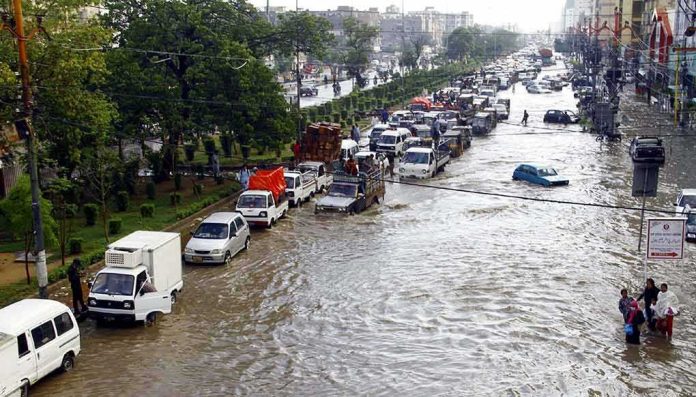
President Trump approved emergency aid as deadly floods swamped Indiana, forcing mass evacuations and dozens of water rescues.
Story Snapshot
- State officials confirmed at least five storm-related deaths across multiple counties.
- Governor Mike Braun declared a statewide disaster emergency and deployed the National Guard.
- Federal aid opened after Trump approved an emergency declaration for Indiana.
- Indianapolis crews conducted more than 50 water rescues as rivers hit historic levels.
Confirmed Deaths And Where The Danger Hit
Indiana emergency leaders said at least five people died during this week’s severe storms and flooding. Officials tied the deaths to both floodwaters in central counties and high winds in the northwest. Reuters reported fatalities in Jennings, Lake, Porter, and LaPorte counties, plus two in Delaware County, underscoring how wide the storm zone was. Authorities also noted that some cases were still being reviewed, which is common in fast-moving disasters as reports get reconciled.
Flood impacts stretched across city neighborhoods and rural roads. Local leaders urged people to leave vulnerable areas early and to avoid driving into water. Indianapolis Mayor Joe Hogsett warned residents to evacuate if at risk, while Noblesville’s mayor told drivers to respect closures and stay out of flood zones. Those warnings matched the most common danger in floods: vehicles in moving water often lead to tragedy, as past studies show.
State Actions To Stabilize The Crisis
Governor Mike Braun declared a statewide disaster emergency as the storms peaked. He said he mobilized state and local resources and activated the Indiana National Guard to support rescues, sheltering, and logistics. He asked Washington for immediate help to protect lives and key infrastructure while crews worked to restore power and reopen roads. That declaration set the stage for federal support and coordinated relief across counties hit by floods and wind damage.
President Trump approved an emergency declaration for Indiana on August 15, enabling federal assistance to flow through the Federal Emergency Management Agency (FEMA) to support lifesaving work and protective measures. Under the Stafford Act, emergency declarations supplement state and local efforts to save lives and protect property and public health when threats are ongoing. This step helps reimburse emergency costs and speeds supplies, staff, and equipment to the hardest-hit areas.
Rescues, Evacuations, And Record Water Levels
Indianapolis responders conducted large-scale water rescues as rivers spilled into streets and homes. The Indianapolis Fire Department reported 51 water rescues, evacuating 95 people and 45 pets, with boats searching areas near 78th Street and Keystone Avenue. Reporters on the scene described dozens more rescues as calls surged. Noblesville officials said the White River crested at 23.9 feet, breaking a 1913 record, after parts of central Indiana saw 10 to 12 inches of rain.
Shelters opened across the region to take in evacuees and people displaced by power loss. Officials listed sites at the Washington Township Adult Center, Broad Ripple Park Family Center, and the Hamilton County Fairgrounds. Utility and water providers took protective steps, including shutting down the White River North Water Treatment Plant to prevent damage, while travel advisories and watches went up across multiple counties to keep drivers off unsafe roads.
Why Counts Shift During A Disaster
Emergency numbers changed through the day as crews reached new areas and validated reports. That is normal in a live flood response, when rescuers prioritize lifesaving work over paperwork. Federal and state leaders often make aid decisions early because the legal standard focuses on reducing imminent threats, not waiting for a final damage tally. This approach aims to move people out of harm’s way quickly and keep hospitals, water systems, and roads functioning under stress.
What To Watch Next
Officials will firm up fatality causes and update rescue and evacuation totals as search teams finish sweeps and coroners complete reviews. State and federal partners will start joint damage assessments to measure losses to homes, small businesses, and public infrastructure. Residents should follow local orders, check verified county channels for shelter and road updates, and avoid floodwater, which can hide hazards and move faster than it looks. One wrong turn can put rescuers at risk and strain already thin resources.
Sources:
aljazeera.com, indystar.com, reuters.com, youtube.com, cfjctoday.com, nbcnews.com, ipm.org, wfyi.org, abcnews.com, x.com