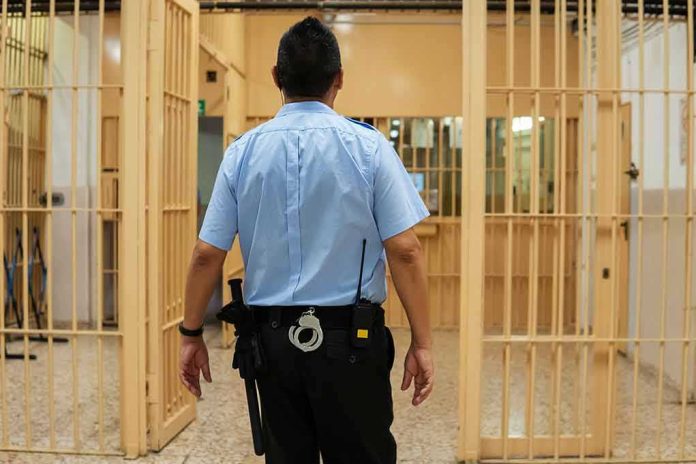
Sean Grayson died in prison six months into a 20-year sentence, closing a volatile chapter that began with a 911 call.
Story Snapshot
- Attorney confirms former deputy Sean Grayson died while serving a 20-year term.
- Illinois Prisoner Review Board denied his medical release weeks earlier.
- Grayson was convicted and sentenced for killing Sonya Massey in 2024.
- The case became a touchstone in debates over police force and accountability.
What Happened And Why It Matters Now
The attorney for former Sangamon County deputy Sean Grayson confirmed that Grayson died Sunday while in state custody, six months into a 20-year sentence for killing Sonya Massey inside her Springfield home in 2024. The confirmation arrived fast and stark. No extra details. No hedging. The same case that stirred protests and policy talk now ends with a death in custody, which often raises basic questions the public wants answered but officials release slowly, if at all.
Grayson’s prison death follows a firm legal endpoint. A jury found him guilty in October 2025. A judge imposed the maximum 20-year sentence in January 2026, marking the state’s final judgment on the shooting. The arc of the case was tight and public. From the moment Massey called 911 to report a suspected intruder, to the fatal shot, to the courtroom, each step drew scrutiny. The sentence matched the outrage that many felt and the accountability others demanded.
The Denied Medical Release, Then A Sudden End
Weeks before his death, a three-member Illinois Prisoner Review Board panel rejected Grayson’s bid for medical release by a unanimous vote. The panel’s decision kept him in custody under the Medical Release Act standard. Supporters of strict sentencing saw the denial as consistent with the punishment imposed for taking a life. Critics of prison health care often argue such processes move slow and reveal little. Both streams now meet a blunt fact: the inmate died in state custody.
Attorney statements and early wire reports often anchor the first hours after a prison death. Agencies typically release more details after notifications and reviews. That staggered flow is common across the United States and leaves families and the public waiting for cause, timing, and facility information. This case will likely proceed the same way: an initial confirmation, then a formal account later. Meanwhile, the human math is plain. One family lost a daughter in 2024. Another family arranged a funeral in 2026.
How The Case Shaped The Larger Debate
The Massey shooting joined the national ledger of deadly police encounters that drive calls for restraint, better training, body camera use, and honest discipline. The conviction and maximum sentence gave many a sense that the system acted when force crossed the line. Others saw deeper roots in culture, tactics, and oversight. Both views can fit American conservative values: demand personal responsibility, punish clear misconduct, and restore public trust with clear rules and swift, even-handed justice.
Former Sheriff's Deputy Sean Grayson has died, six months into a 20-year prison sentence for killing Sonya Massey, a Black woman who had called 911 for help.
His lawyer confirmed his death, but provided no additional details.
The 32-year-old had been diagnosed with colon… pic.twitter.com/t4HABtAGkk
— PBS News (@NewsHour) August 25, 2026
Deaths in custody often push another hard question—how transparent are our institutions when an inmate dies? Federal law requires reporting of in-custody deaths to the Bureau of Justice Assistance, yet public access and timeliness vary across systems. Families and citizens deserve clear answers within days, not months. That is not soft-on-crime sentiment. It is basic good governance. Accountability loses force when facts trickle out. Trust grows when agencies share promptly and completely, even when the news is grim.
What To Watch For Next
Expect an official statement with cause of death, location, and timing. Expect the Prisoner Review Board to note process compliance, given the recent medical release request. Expect renewed focus on department training standards that the Massey case already stirred. For lawmakers, the lesson is simple. Keep tough standards for police use of force. Keep strong penalties when lines are crossed. And keep prison health and reporting systems transparent so justice remains firm and seen to be fair.
Sources:
washingtontimes.com, abcnews.com, abc7chicago.com, youtube.com