A federal immigration agent shot and wounded a man in North Austin, and city leaders moved quickly to open an investigation into what happened.
Story Snapshot
- A federal immigration agent shot and injured a man in North Austin on Sept. 20, 2026.
- Austin officials said city police were not involved and the cause is still unclear.
- The injured man was taken to a hospital and was alert and talking, officials said.
- U.S. Rep. Greg Casar called for an independent probe and release of body camera video.
What Austin Officials Confirmed Sunday
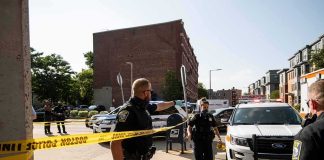
City leaders said a federal immigration agent shot and wounded a man Sunday in the 7000 block of West Anderson Lane in North Austin. Austin’s communications staff told council members that Austin police officers were not involved in the incident and that officials did not yet know what led to the shooting. Emergency crews took the injured man to a hospital, where he was described as alert and talking, according to the city’s statement reported by local media. Reporters at the scene described a blue Toyota Corolla with visible damage.
Local and national outlets carried the news within hours, underscoring the event’s significance for both Austin and federal enforcement watchers. The Texas Department of Public Safety told media that federal immigration authorities were handling the investigation at the Anderson Lane scene, pointing to a federal-led response rather than a city police matter. The City of Austin scheduled an afternoon press conference, signaling an official effort to centralize facts and brief the public once more details were gathered.
Calls for Transparency and Independent Review
U.S. Representative Greg Casar, who represents the area, urged “a full, independent investigation” and the “immediate release of the body camera footage” tied to the encounter. His push mirrors a now common demand in high-stakes use-of-force cases: release the video fast or risk further confusion. Early reports did not include names of the people involved or the specific federal unit. That lack of detail is normal in the first hours after a shooting, but it places pressure on agencies to share verified updates promptly.
Body camera policy sits at the center of this debate. Federal agencies have expanded their use of body-worn cameras in recent years, but release rules vary by agency. Reporting on federal immigration policy indicates that release decisions can hinge on whether leaders judge it to be in the agency’s interest, which can delay or limit public access to footage after serious incidents. Some research finds mixed effects of body cameras on use-of-force rates and complaints, which means cameras help document events but are not a cure-all for conflict.
What We Know About the Scene and the Stakes
Reporters described a damaged dark blue Toyota Corolla at the site, including what appeared to be bullet strikes, which confirms that gunfire reached at least one vehicle during the encounter. The presence of police tape, a large response, and rapid hospital transport all point to a serious event, not a minor stop. While the specific trigger for the shooting was not detailed by city officials, the key confirmed facts anchor the public brief: a federal agent fired, a man was hit, and federal authorities took charge of the case.
The stakes are high for several reasons. Many residents across the political spectrum worry that government agencies shield themselves from accountability. Others argue that officers face real danger and split-second choices while enforcing the law. Both truths can exist at once. That is why basic steps—clear timelines, named points of contact, and timely release of verified material—matter. They help people judge actions on facts rather than anger, fear, or spin.
How This Fits the Bigger National Pattern
Events like Sunday’s Austin shooting fit a familiar national pattern: a fast-moving incident, partial early facts, and pressure for video to fill the gap. News spreads in minutes, while official reviews take days or weeks. That lag can invite rumors or harden views, especially on charged topics like immigration enforcement. Agencies often cite privacy and investigative needs. Communities, meanwhile, ask for sunlight now so they can understand what happened in their neighborhood.
UPDATE: ICE shooting rocks Austin as Democrat demands bodycam video, independent probe https://t.co/XfsY0BjIT1
Confidence 91/100 · Divergence 43/100
— Highwire (@HighwireNews) September 21, 2026
Practical steps can narrow that gap. Officials can share a basic, time-stamped sequence of events as soon as possible. Agencies can explain what video exists, how it is stored, and when it might be released. If policy limits release, leaders can say why, using plain language. These actions do not pick a side. They honor a basic civic value: people deserve a clear account when the government uses force in their city.
Sources:
townhall.com, statesman.com, cnn.com, texastribune.org, wrganews.com, news.meaww.com, yahoo.com, abcnews.com