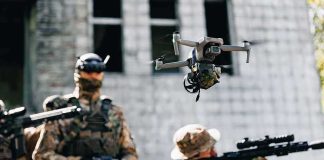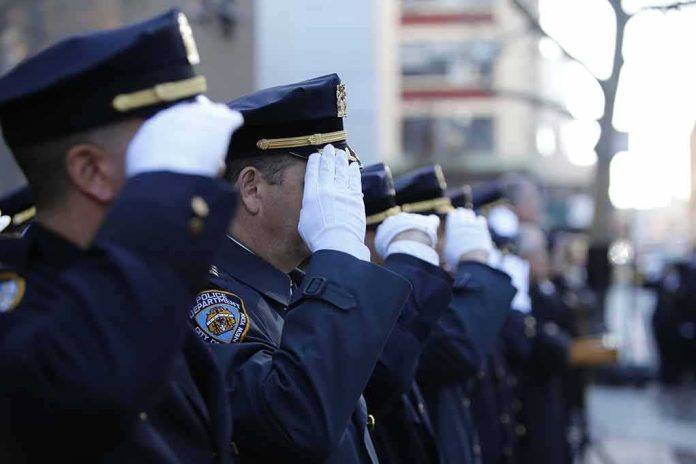
New York City’s mayor kept a clear promise: he moved to disband the NYPD’s Strategic Response Group and split protest policing from counterterror work.
Story Snapshot
- Mamdani pledged for months to dismantle the Strategic Response Group and separate protest response from counterterrorism.
- City Comptroller reports urged ending militarized protest policing and refocusing on rights and accountability.
- The unit began in 2015 for counterterrorism, then expanded into protest and crime reduction roles.
- City policy now frames protests as distinct from terrorism threats, with replacement structures to follow.
What the mayor decided and why it matters
Mayor Zohran Mamdani said he would disband the Strategic Response Group and decouple protest response from counterterrorism. He did not hedge. He called it a matter of when, not if, and said protests should not be policed like terror threats. This became a core public-safety plank, not a side issue. The choice sets a new line: mass speech activity is not the same as organized violence. That line tells police, and the public, how the city means to use force and show restraint.
The New York City Comptroller’s public reports help explain the case for change. They describe how the unit launched around 2015 with a tight counterterror focus and later grew in size and scope, taking on crime reduction and large-scale protest duty. The reports urge ending protest deployments by militarized units and shifting those events to approaches designed for speech, crowd safety, and rights. The policy link is direct: protect peaceful assembly and improve police accountability.
How we got here: from counterterror team to protest front line
The city built the Strategic Response Group to answer rare, high-risk threats. Over time, it became a familiar face at marches and rallies. That shift mirrors a broader pattern since September 11: tools built for worst-case scenarios slipped into daily policing. New York’s own experience in 2020 fueled this debate, as large protests stressed tactics and trust. The Comptroller’s recommendations responded by urging a reset of who handles demonstrations and how.
Mamdani’s framing is simple and firm. He argues protest response demands a different mindset than hunting terror cells. That starts with posture. It continues with training, de-escalation, and who takes the lead when crowds gather. He says conflating the two roles is a recent trend that should end. The goal is not to leave the city exposed. The goal is to put the right people, with the right rules, on the right job. That is common sense in any complex system.
What changes on the street
The policy turns on mission clarity. Counterterror specialists focus on targeted threats. Protest teams focus on speech, movement, and safety. That split can shape everything from uniforms to lines of command. It can change what gear shows up first. It can change who speaks to organizers and how fast an order to disperse gets used. The city tied this shift to a rights-first approach while still promising robust emergency response when genuine threats arise.
UPDATE: NYC Announces Replacement Structure as NYPD Strategic Response Group Is Disbanded
Restructuring begins in the new year. Protest response will be reorganized; counterterrorism duties remain within the NYPD.https://t.co/8NauKfntf3 pic.twitter.com/ySRW9b6zci
— Tachlis Daily (@TachlisDaily) November 17, 2026
Critics will judge results by simple tests: Did response times slip? Did property damage rise? Did police injuries climb? Supporters will point to fewer clashes, fewer mass arrests, and stronger trust. Those outcomes hinge on execution. Clear activation thresholds, strong training, and transparent command make or break a reorg. The city’s prior four-tier protest framework already leaned toward dialogue and de-escalation, laying groundwork for a cleaner split of duties.
What to watch next
Staffing and training define whether this works. The city must show where officers go, who leads protest response, and how counterterror capacity stays strong. The public will expect data on deployments, uses of force, injuries, arrests, and response times. A clean before-and-after picture will tell the story better than any press event. If the numbers show safer protests with steady terror readiness, the model spreads. If not, leaders will need to adjust fast.
One narrow caveat remains: official statements and reports establish the mayor’s commitment and policy rationale; they do not include the specific dissolution instrument in the available record. The core direction, though, is unambiguous. The mayor laid down a bright line between protest and terror work and aligned city policy to match it. That is a big bet on mission discipline. In policing, as in any field, clear missions tend to sharpen performance and cut unintended harm.
Sources:
washingtontimes.com, comptroller.nyc.gov, nyc.gov