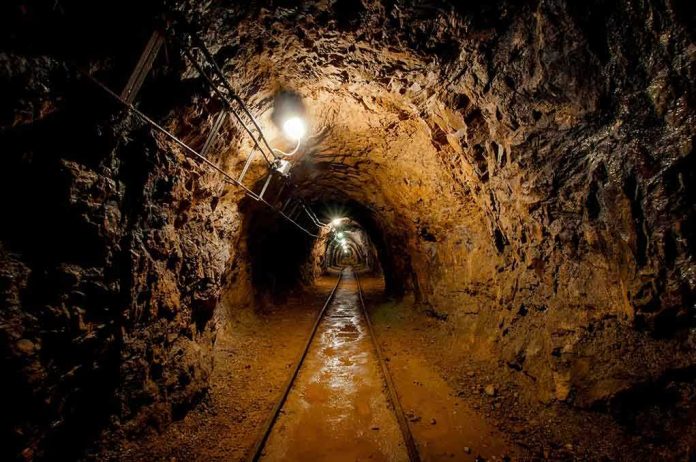
More than 200 people died in a mud-soaked catastrophe at a coltan mine controlled by rebels, raising hard questions about who profits from the minerals that power your smartphone while Congolese miners work in conditions that can kill them in an instant.
Story Snapshot
- Heavy rains triggered a landslide at the Rubaya coltan mines in eastern Congo on Wednesday, killing at least 200 artisanal miners with bodies still trapped in mud
- The M23 rebel group controls the mines and collects over $800,000 monthly in taxes from coltan trade, funding their military operations
- Rubaya supplies over 15 percent of the world’s tantalum, a critical mineral for electronics manufacturing
- Rebel-appointed authorities halted mining operations and ordered resident relocations, while injured victims were transported to regional health facilities
- The disaster unfolds amid broader regional conflict with more than 7 million displaced in eastern Congo and ongoing ceasefire negotiations between Congo and Rwanda
When Rebels Run the Mine, Who Pays the Price
The M23 rebel group seized the Rubaya mines in May 2024, transforming a mineral-rich region into a revenue stream that funds their military operations. Since taking control, they have imposed systematic taxation on coltan trade and transport. United Nations reports document that M23 generates at least $800,000 monthly from these operations. The rebel-appointed governor now oversees the territory, issuing orders to halt mining and relocate residents following the collapse. This is governance at gunpoint, where safety standards yield to profit margins and the vulnerable have no recourse.
Your Electronics Depend on This Dangerous Ground
Coltan, short for columbite-tantalite, contains tantalum, a heat-resistant metal essential for capacitors in smartphones, laptops, and gaming systems. The Rubaya region supplies over 15 percent of the world’s tantalum, making it strategically significant for global electronics production. Every device you carry likely contains minerals extracted from this unstable region. The global electronics industry maintains economic interest in supply chain stability, but that stability comes at a cost measured in lives. Artisanal miners work without meaningful safety infrastructure, regulatory oversight, or recourse when disaster strikes.
Heavy Rain Turned Earth Into a Death Trap
Wednesday’s landslide resulted from heavy rainfall that destabilized the mining area. Lumumba Kambere Muyisa, spokesperson for the rebel-appointed governor, confirmed more than 200 deaths with some bodies still buried in mud awaiting recovery. The rebel authorities transported injured persons to three health facilities in Rubaya, with ambulances expected to transfer the wounded to Goma, approximately 50 kilometers away. Recovery operations continued through the weekend as the full extent of casualties remained under assessment. The environmental vulnerability of artisanal mining operations becomes lethal when combined with inadequate drainage, structural support, or emergency response capabilities.
Conflict Zones Make Accountability Impossible
Eastern Congo has endured decades of conflict involving government forces and various armed groups competing for control of mineral resources. The Congolese government maintains nominal sovereignty but exercises limited practical control in M23-held areas. Rwanda backs M23 militarily and benefits from mineral access arrangements, while the United States brokered a ceasefire deal motivated partly by strategic interest in securing access to critical minerals. This geopolitical complexity means casualty figures rely solely on rebel authority statements without independent verification. International humanitarian organizations face access restrictions, and proper investigation becomes nearly impossible when warlords control the territory.
The Humanitarian Crisis Deepens Further
More than 7 million people have been displaced in eastern Congo, including 100,000 who fled their homes in 2025 alone. The mine collapse adds immediate humanitarian crisis to an already desperate situation. Artisanal miners and their families depend on mining for survival despite the dangers. Local health infrastructure in Rubaya and Goma strains under the burden of casualties. The mining halt disrupts livelihoods for communities with few alternatives, while the broader conflict continues unabated. The intersection of humanitarian concerns with strategic mineral interests creates a situation where the vulnerable remain expendable.
The disaster raises fundamental questions about governance capacity and safety standards under rebel control. M23’s monthly revenue stream faces disruption, potentially affecting their military operations and willingness to engage in ongoing ceasefire negotiations. The incident complicates diplomatic efforts between Congo and Rwanda while exposing the human cost of mineral extraction in conflict zones. Global supply chains may face disruption, but the immediate tragedy belongs to the families of 200 miners who went to work Wednesday and never came home. Their bodies lie in mud controlled by rebels who profit from the very ground that killed them.
Sources:
At least 200 killed in coltan mine collapse in eastern Congo, rebel authorities say – ABC News