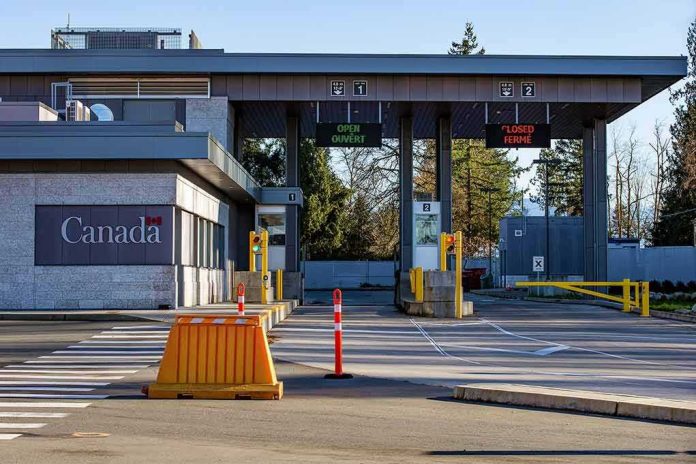
Israel’s defense minister ordered West Bank checkpoints and Gaza crossings closed on October 5 and 7, citing security ahead of the October 7 anniversary.
Story Snapshot
- Defense Minister Israel Katz ordered closures on October 5 and 7 tied to the anniversary.
- Israel’s military assessment drove the decision, with narrow medical and humanitarian exceptions.
- The Coordinator of Government Activities in the Territories announced the timing and scope.
- Rights groups say such limits fit a longer pattern of movement restrictions affecting civilians.
What Israel Ordered and When
Israeli Defense Minister Israel Katz ordered the closure of crossings into the West Bank and Gaza on October 5 and October 7. Israeli outlets said the move aligns with ceremonies and security measures around the October 7 attack anniversary. The Coordinator of Government Activities in the Territories announced the steps and said they would be temporary. Officials tied the action to a security assessment and a desire to deter threats as crowds gather and tensions rise.
The order covers major West Bank checkpoints and crossings linked to Gaza, with exceptions for medical and humanitarian needs. Israeli officials said case-by-case approvals would be allowed under set rules and only with prior coordination. Reports framed the closure as comprehensive for West Bank movement on those days. The government presented it as a targeted, short-term move, rather than an open-ended policy shift, and linked the dates to the national calendar and security posture.
How It Affects Daily Life and Aid
Closures like this pause many routine trips for work, school, and family needs. Permits and prior clearances are already common. Adding a full closure adds delays for patients, aid groups, and employers who plan around checkpoints. Aid groups often warn that even short closures can ripple through clinics, food deliveries, and payrolls. Officials said medical and humanitarian cases could pass, but only after specific approval, which still adds time and stress.
Employers on both sides of the barrier face planning trouble when worker permits cannot be used for set days. Families miss scheduled hospital visits unless cleared in time. These effects echo past closures tied to security alerts or major holidays. The tension is clear. Israel says the steps prevent attacks and keep order. Palestinians and aid workers say recurring closures lock people into a cycle of uncertainty that harms health, pay, and trust in basic systems.
Security Logic and Political Signals
Israeli leaders often link short-term closures to intelligence warnings or mass events. Linking this action to the October 7 anniversary sends a deterrent signal to armed groups and a reassurance to the Israeli public. The message is that the state will act first to reduce risk during a sensitive week. The allowance for narrow exceptions also signals administrative restraint, even while setting a hard boundary on most civilian movement.
These choices carry political weight. Supporters in Israel see a firm stance during a tense memorial period. Critics point to the human cost of broad closures. Both can be true at once. The state’s logic is simple: limit movement to cut risk. The social cost is also clear: many lawful travelers lose access for those days, and some urgent needs face delays while approvals are processed.
A Pattern of Movement Limits
Human rights reporting places these closures inside a longer pattern. Since 2007, Israel has tightly limited most travel from Gaza through the Erez Crossing. After the 2023 attacks, authorities further sealed crossings and restricted the flow of people and goods for long stretches. These actions are defended as security steps. But they also shape daily life for civilians, who often cannot leave for school, work, or care without rare approvals.
BREAKING: Defense Minister Israel Katz ordered West Bank and Gaza crossings closed Oct. 5 and Oct. 7 for Oct. 7 remembrance, not today. Humanitarian cases need COGAT approval. Gaza aid will not enter those days. pic.twitter.com/OClAp87sTp
— First Feed News (@FirstFeedNews) October 4, 2026
This is the core tension the world keeps seeing. Governments use hard tools to manage spikes in risk. Civilians live with the blunt edges of those tools. For Americans watching from afar, the lesson feels familiar. Leaders claim they are acting for safety while systems grind down ordinary people. The same worry spans left and right at home: state power often falls hardest on regular families, while elites debate policy far from the checkpoint line.
Sources:
redstate.com, jpost.com, sadanews.ps