Police say a first-grade teacher left school for a liquor run before noon, then was found impaired and refusing to leave her classroom bathroom.
Story Snapshot
- Investigators say surveillance shows a midmorning liquor-store trip tied to the school day.
- Police paperwork cites alcohol odor, slurred speech, and glassy eyes at the scene.
- A fellow teacher reportedly found her semi-conscious and moved students to safety.
- The teacher was cited for public drunkenness; employment actions remain pending.
A midday trip, a bathroom standoff, and a police citation
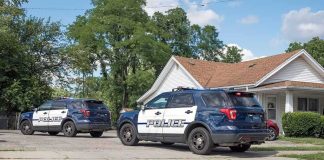
Peters Township police and local outlets describe a tight timeline. They say first-grade teacher Gina Viviano left Pleasant Valley Elementary at 10:54 a.m., entered a Fine Wine and Good Spirits store at 10:57 a.m., bought alcohol, and left at 11:00 a.m., based on surveillance reviewed by investigators. Police say she returned to campus, backed into a parked car, and ended up in her classroom bathroom. Officers and administrators responded after staff raised concerns about her condition and student supervision.
Police paperwork reported by CBS News Pittsburgh states that officers observed several signs consistent with intoxication. They noted an alcohol odor, slurred speech, and glassy or bloodshot eyes. They also wrote that she could not walk on her own when she left the bathroom. District leaders said police investigated and filed a public drunkenness charge. The Peters Township School District confirmed the citation and told families student safety was the priority throughout the response.
Inside the classroom and how staff shielded students
Reporting from WPXI says another teacher found Viviano in the classroom bathroom, described her as semi-conscious, and said she would not come out or respond. That teacher moved students to another classroom. Police arrived soon after and began their assessment and removal process. Parents reading this will ask the only question that matters: Were the children safe? The district says staff intervened and shifted the students, and no injuries have been reported in the coverage to date.
CBS News Pittsburgh reports that police said Viviano admitted drinking vodka earlier that day, but also refused a portable breath test at the scene. That mix of an alleged admission with a refusal to test is not rare in school-based alcohol cases. Officers often rely on observed signs, witness accounts, and video to support a public drunkenness citation when there is no breath or blood test. In this case, the district’s statement aligns with the police action described in local reporting.
What happens next: three tracks will now move in parallel
Readers should watch three lanes, each with different rules and timelines. First, the criminal lane: public drunkenness is a charge, not a conviction. Prosecutors and courts will handle that process. Second, the employment lane: the district decides leave status, investigative interviews, and any discipline under its policies and contracts. Third, the state licensing lane: Pennsylvania’s educator-discipline system can review school-site alcohol allegations and may act on a certificate even apart from a criminal outcome.
Today’s afternoon headlines:
– Skill games are no longer legal in Pennsylvania
– A Peters Township elementary school teacher is accused of being drunk at school
– And a person pulled from the Allegheny yesterday has diedTune in to The Colin Dunlap Show until 6 pm! pic.twitter.com/8w5gotqI8o
— 100.1 FM and AM 1020 KDKA (@KDKARadio) October 14, 2026
Recent Pennsylvania discipline opinions show the state treats alcohol impairment at school as a serious breach of duty to students. Cases have included allegations of being under the influence in a classroom and on school property. The process gives educators due process, but the state has not framed school-day alcohol use as a private matter when students are involved. The system exists for a reason: parents need to trust that the adult in front of their child is sober, alert, and in control.
Why this incident strikes a public nerve
Schools run on trust. Parents send children into a building believing every adult will put safety first. A midmorning liquor run, a fender bump in the lot, a locked bathroom, and classic signs of impairment create a clear breach of that trust if proven. The district’s choice to move fast, secure the kids, and confirm the citation fits common sense and basic conservative values: protect children first, cooperate with police, and let due process run without spin.
The clarity we still need—and the standard we must keep
Key facts now rest on police paperwork, surveillance described by investigators, and staff actions on site. The public does not need every body-camera clip to see the broad picture, but final clarity will come from the court record, district personnel decisions, and any state licensing review. One brief caveat is fair: a charge is not a conviction. Still, the standard for adults in a classroom does not budge—show up sober, or do not show up at all.
Sources:
nypost.com, lawandcrime.com, hoodline.com, wtae.com, heraldstandard.com