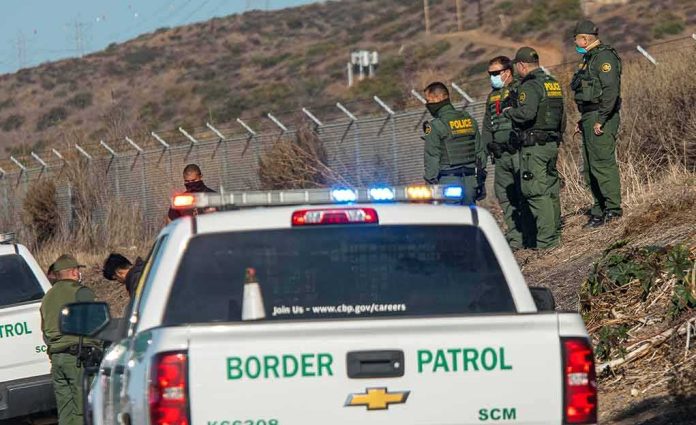
A federal judge’s emergency order froze Big Bend border work after bulldozers and waivers ran ahead of a full, public plan, spotlighting a system that too often moves fast without clear answers for the people who live there.
Story Snapshot
- A judge temporarily blocked border-barrier activity across the Big Bend region.
- Homeland Security invoked broad legal waivers to speed Texas projects.
- Customs and Border Protection says it planned roads, tech, and limited vehicle barriers, not a park “wall”.
- Landowners and conservation groups say damage and legal overreach are already happening.
What The Court Did And Why It Matters
On October 2, a federal judge issued a temporary injunction that stops border-barrier work in and around Big Bend National Park. The order pauses activity while lawsuits over authority and impacts move forward. The case argues the government cut legal corners and risks harm to land, culture, and park resources. An injunction does not decide the final outcome. It does show the court sees a serious dispute worth halting work to review on the merits.
The ruling lands in a larger climate of distrust. Many citizens on the right and left think Washington moves projects with speed and secrecy, then asks people to accept the fallout. The pause gives the court time to weigh whether the process met the law. It also forces clearer answers on what will be built, where, and with what safeguards. That clarity is overdue in a place where ranches, a river, and a national park meet.
What The Administration Authorized And How Plans Shifted
The Department of Homeland Security issued a Texas-wide waiver in July. The waiver cleared dozens of laws to speed barrier work and roads along the border. The notice says the secretary found it necessary to waive rules to build border infrastructure faster in Texas. That step is legal under current statute, but it remains controversial because it sets aside environmental and historic protections in sensitive areas like Big Bend.
Customs and Border Protection told the public it was not building a 30-foot wall through Big Bend parks. The agency said the scope was one new access road, improvements to existing roads, detection technology, and targeted vehicle barriers. The commissioner also said park activity was “survey and design” rather than wall construction. Later court filings signaled possible scope changes to lower impacts before any ground-disturbing work would begin.
What Opponents Allege On Damage, Risk, And Local Rights
Landowners, preservation groups, and conservationists sued to stop the work. They argue the government wrongly labeled Big Bend an area of high illegal entry to trigger the waiver, while the region sees a small share of crossings. They also say bulldozers and grading are already harming fragile habitats along the river and threaten burial sites, historic churches, and private property access along the border.
Plaintiffs warn barriers, roads, and lighting could fragment wildlife habitat and raise flood risk in canyons and washes. They say the project would sever ranches from the river and cut communities off from land they have used for generations. The legal team includes national conservation groups and local residents. Their core claim is not only about nature. It is about due process, notice, and whether the government can waive so many protections with so little site-specific review.
Money, Scope, And The Scale Of What Comes Next
In May, the government awarded a $1.7 billion contract tied to the Big Bend border effort. Later messages from Customs and Border Protection described funding for vehicle barriers, surveillance systems, and patrol roads, not a continuous wall inside the national park. The scale of the award and the evolving description of the build-out fed confusion about final routes, designs, and impacts on public and private lands in the region.
WHY? Federal Judge Blocks Trump’s Border Wall Construction Across Texas’s Big Bend Sectorhttps://t.co/RvlDrZZo0K
— Patrick white (@Helpontheway67) October 3, 2026
The administration also told a court in late September that it was still refining the siting and scope to reduce harm. The filing said a final decision would come in early October and would precede any ground-disturbing activity. The judge’s injunction on October 2 arrived at the same moment those final calls were due, ensuring independent review before shovels or heavy equipment move again in disputed areas.
Why This Fight Resonates Far Beyond Big Bend
This case taps a wider worry: powerful agencies can waive rules, award huge contracts, and reshape local life without full transparency. Supporters of faster builds say border security cannot wait. Opponents say haste invites waste and damage that cannot be undone. Both sides want order and safety. The public deserves clear maps, data, and timelines before bulldozers arrive. The court’s pause is a chance to get those facts on the record.
Sources:
nypost.com, federalregister.gov, cbp.gov, cbsaustin.com, texastribune.org, clickorlando.com