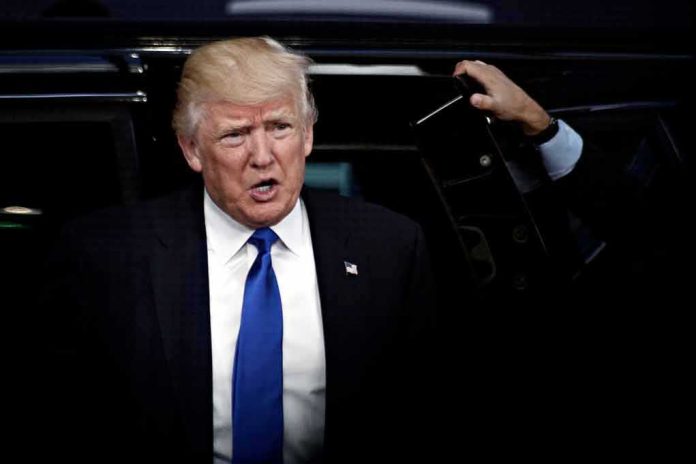
A federal judge blocked President Trump’s order to add new paperwork for overseas military voters, confirming the policy was real and would have changed how troops vote by mail.
Story Snapshot
- A court permanently stopped the section aimed at military and overseas voters.
- The order sought extra citizenship documents on the Federal Post Card Application.
- Nonpartisan groups warned ballots from abroad could face higher rejection risks.
- The White House said troops’ ballots would still count despite the changes.
What the Executive Order Tried to Change
In March 2025, President Trump signed an executive order that reached into how military and overseas citizens register and vote from abroad. The policy directed the Defense Department to add a proof-of-citizenship document requirement to the Federal Post Card Application, the standard form used by service members and Americans living overseas to register and request ballots. Legal groups argued the president cannot change that form’s contents because Congress set the rules in law.
Advocacy and news reports said the order also paired with stricter ballot timing rules that would have forced all mail ballots to arrive by Election Day. For voters overseas, that timing is hard to meet because mail moves through military and international channels. Reporters and voting groups warned that more ballots from troops and citizens abroad could be tossed for arriving late, even if sent on time under current practice.
How the Courts Responded
On January 30, 2026, the United States District Court for the District of Columbia permanently barred the Defense Department from enforcing the section that targeted the Federal Post Card Application. The ruling meant the new document rule for overseas and military voters could not take effect. The decision backed the view that the order exceeded executive power and conflicted with the law that protects overseas voting access, known as the Uniformed and Overseas Citizens Absentee Voting Act.
Other lawsuits in federal courts targeted related parts of the order that dealt with mail voting and federal agencies. Judges found that the changes could lead to real risks for eligible voters. One court said disenfranchisement due to the mail-voting rules was plausibly likely and imminent if the order moved ahead. These cases showed that the fight was not abstract. It involved detailed rules that could raise barriers for people who vote from far away.
What Supporters and Critics Say
White House officials said the effort aimed to strengthen voter verification while making sure overseas and out-of-state military ballots still counted. They said the crackdown on mail ballots would not focus on service members. That message tried to calm fears that troops would be singled out. But the text described by legal filings and news coverage clearly touched the specific form used by military and overseas voters, which is why the court stepped in.
🚨 SPANBERGER GOT COMMUNITY NOTED—NOW SHE’S FIGHTING THE FACTS.
Gov. Abigail Spanberger claimed the Trump administration was attempting to prevent Americans serving abroad from voting.
But the Postal Service’s final rule treats military and overseas UOCAVA ballots separately.…
— JonathanFrye (@jonathan_f32966) August 30, 2026
Critics, including nonpartisan legal and voting groups, said the added paperwork and stricter deadlines would fall hardest on people who already face long mail times and tight windows. They noted that states already require an oath under penalty of perjury and other checks to confirm voter eligibility from abroad. They also argued the executive branch cannot rewrite forms and deadlines that Congress and states control. The court’s permanent block of the Defense Department provision supported that claim.
Why This Matters Beyond One Fight
Military and overseas voting has a long, bipartisan history because service members often deploy far from home. The federal law that protects their voting rights seeks to cut delays and reduce red tape. When Washington adds steps that slow voting or raise paperwork hurdles, voters pay the price, not the politicians who write the rules. This case shows how process tweaks can become real barriers, especially for people serving the country from distant posts.
For readers across the political spectrum, the takeaway is simple: complex rules can hide big impacts. The government is supposed to make voting secure and fair without tipping the scales. Courts played that referee role here. Whether you worry about fraud or suppression, this episode shows why clear laws, honest communication, and restraint from all sides are needed to protect the voices of troops and citizens overseas in every election.
Sources:
twitchy.com, votebeat.org, brennancenter.org, stripes.com, campaignlegal.org, npr.org