A toddler named Klieber Morán was pulled alive from a collapsed building in Venezuela — six days after twin earthquakes buried him under the rubble.
Story Highlights
- A Jordanian civil defense team rescued a young boy alive from earthquake rubble in La Guaira, Venezuela, six days after twin quakes struck.
- The child, identified as Klieber Morán, received first aid on the scene and was rushed to a hospital after the rescue.
- Venezuela’s acting President Delcy Rodriguez confirmed the rescue, while Jordan’s civil defense released footage of the operation.
- Most outlets report the child as three years old, though BBC reported him as two — a minor discrepancy that does not change the core facts.
Six Days Under the Rubble
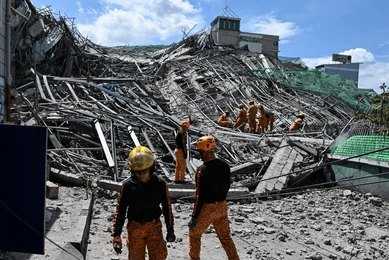
Twin earthquakes hit Venezuela and left buildings in ruins across La Guaira state. One of those buildings was Los Corales Garden 1, where a toddler named Klieber Morán was trapped under the debris. For nearly six days, rescue teams worked to find survivors. On June 30, 2026, a Jordanian civil defense team pulled the boy out alive. The rescue was confirmed by Venezuela’s acting President Delcy Rodriguez in a message posted to her Telegram channel.
Jordan’s civil defense released footage of the moment workers freed the child from the wreckage. The video shows rescue personnel carefully removing debris to reach the boy. After they pulled him out, he received first aid on the spot and was taken to a hospital. The rescue stands as the only confirmed survivor pulled from the rubble on the sixth day of search efforts.
Jordan Steps Up in a Crisis
Jordan has built a strong reputation for sending skilled search-and-rescue teams to disaster zones around the world. Their presence in Venezuela shows how international cooperation can save lives when local resources are stretched thin. The Jordanian team brought specialized equipment and training that made it possible to reach Klieber after nearly a week buried beneath concrete and debris. Stories like this remind people that human effort and skill can still beat the odds.
Venezuela has struggled for years with economic collapse and a weakened government. When disaster strikes a country already on its knees, outside help becomes critical. The fact that a foreign rescue team was on the ground and doing the work raises fair questions about the state of Venezuela’s own emergency response system. No detailed official death toll from the Venezuelan government has been widely reported, which makes it hard to know the full scale of the disaster.
What the Coverage Gets Right — and Where It Falls Short
Most major news outlets, including Reuters and the Ynet News wire service, reported the child as three years old. The BBC reported him as two years old. The difference is small and does not affect the core story — a child survived against the odds. But the gap highlights a common problem in disaster coverage: basic facts like a victim’s age can get lost or garbled when reporting moves fast and official data is slow to come out.
JUST IN – Three-year-old rescued six days after Venezuela earthquakes: Jordanian civil defense
— Insider Paper (@TheInsiderPaper) June 30, 2026
The broader disaster got far less attention than the rescue itself. International media focused on the miracle moment but offered little detail on the death toll, the number of buildings destroyed, or the timeline of the quakes. That pattern is familiar. A single dramatic rescue grabs headlines while the full human cost of a disaster stays in the shadows. For the people of La Guaira, the story is much bigger than one child — even a child whose survival is nothing short of remarkable.
Sources:
youtube.com, reuters.com, ynetnews.com, facebook.com