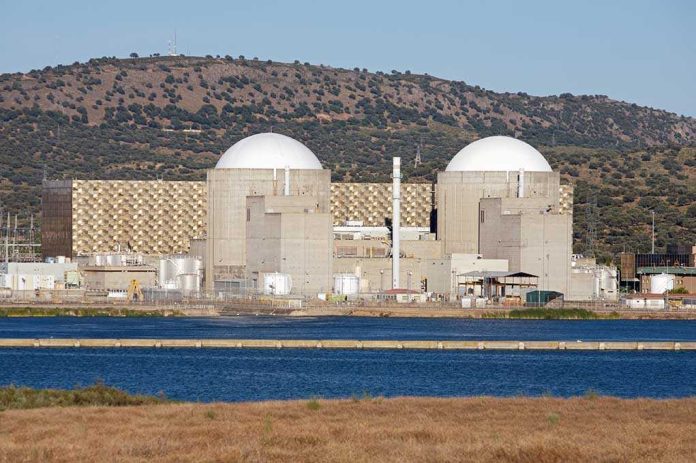
Iran is reinforcing a deeply buried nuclear site while shutting inspectors out, raising fresh alarms about hidden nuclear work confirmed by the nuclear watchdog’s own reports.
Story Highlights
- The International Atomic Energy Agency (IAEA) says Iran has not allowed access to attacked sites or provided required reports.
- The September 2025 Cairo framework was supposed to cover all declared facilities and nuclear material, with clear procedures.
- Iranian officials say the deal did not yet grant inspector access beyond Bushehr, leaving a major gap.
- IAEA chief Rafael Grossi says key questions on site damage and nuclear material changes remain unanswered.
IAEA Warns of Reporting Gaps After Attacks on Iranian Facilities
The International Atomic Energy Agency reported that Iran has not provided the required updates on nuclear sites hit in June 2025, or access for verification. The Agency said it cannot carry out its safeguards duties at those locations without this cooperation. This is not a small paperwork issue. These reports and site checks track where nuclear material is, what changed after the strikes, and whether anything moved. Without that, the world must guess. That is not acceptable for nuclear risk.
International rules exist for a reason. The Non-Proliferation Treaty safeguards say implementation cannot be put on hold. That standard protects every honest country and holds cheaters to account. The IAEA has stressed that implementation “cannot be suspended under any circumstances,” which underlines why post-attack access and reporting are non-negotiable steps, not bargaining chips. When a state adds defenses at a sensitive site while blocking checks, confidence falls fast. That invites miscalculation and danger.
Cairo Agreement Promised Procedures Covering All Declared Sites
In September 2025, Iran and the IAEA agreed in Cairo on a framework for inspections, notifications, and safeguards steps. IAEA leaders said the document covered all declared facilities and required reporting on attacked sites and related nuclear material. United Nations coverage also noted that the framework contemplated reporting on every targeted facility, including the nuclear material present. These statements set a clear bar. Iran’s cooperation should include timely reports and access so inspectors can confirm facts on the ground.
Despite that promise, public accounts said the Cairo deal gave no specifics, and Iran later stated that the agreement did not yet allow access for inspectors beyond the Bushehr plant. That position keeps the door closed at the exact time when transparency matters most. A procedural gap may exist, but nuclear material does not wait for more talks. Every day without inspection data widens the blind spot and weakens the safeguards system. That hurts trust and raises the stakes for every nation watching.
Grossi Presses Tehran on Damage, Inventory, and Access
International Atomic Energy Agency Director General Rafael Grossi has said the Agency still needs answers about damage, site conditions, changes in nuclear material inventory, and access following the attacks. He said the IAEA has not been able to have this conversation with Iran so far. That is the core problem. If Iran is hardening a deeply buried site, the IAEA must verify that no nuclear material moved, went missing, or was altered. Facts, not statements, settle these questions.
11/20 — Nuclear Inspections Resume?
Iran’s regime representative to the IAEA, Reza Najafi, says cooperation with the agency continues and that inspectors are currently scheduled to visit the Bushehr nuclear power plant.#IAEA #Iran— Iran News Update (@IranNewsUpdate1) September 12, 2026
Reporters and analysts describe the Cairo framework as a path that could open inspections, but one that left details unclear. The IAEA’s own reports and briefings draw the line: the framework covers all facilities, and safeguards duties continue. Iran’s refusal to provide attacked-site reporting and access blocks that path. For Americans who value peace through strength, this matters. When bad actors sense weak oversight, they push harder. Strong verification protects our families, our troops, and our allies.
Sources:
nypost.com, chathamhouse.org, iaea.org, theguardian.com