A young contractor shot dead in a Philadelphia home is now tied to an international fraud ring and illegal immigration, raising new questions about how well the system protects everyday homeowners.
Story Snapshot
- Federal officials say 20-year-old contractor Salis Hanrahan was in the U.S. illegally and linked to a transnational fraud group.
- Homeland Security and federal investigators describe the “Traveling Conman Fraud Group” as targeting homeowners with overpriced, low-quality construction work.
- Philadelphia homeowner George Barr, 75, has been charged with murder after shooting Hanrahan during work at his Roxborough house.
- A $70,000 contractor bill found at the scene highlights how high-dollar home projects can become a flashpoint for fraud and violence.
Federal Account: Who Hanrahan Was and Why He Was Here
Federal officials say 20-year-old Salis Hanrahan was a citizen of the United Kingdom who came to the United States without legal permission. The Department of Homeland Security (DHS) told reporters his application under the Electronic System for Travel Authorization was denied after officials linked him to a criminal fraud group. DHS and Federal Bureau of Investigation (FBI) investigators describe that group, called the “Traveling Conman Fraud Group,” as a transnational organization that targets homeowners with home repair scams.
Investigators say members of this group move from place to place, offer contracting services, and then charge very high prices for poor or unfinished work. Federal officials claim Hanrahan was “allegedly affiliated” with the group, and some outlets report DHS considers him a member, but there is no public court filing that lists him as a charged defendant. DHS also said Immigration and Customs Enforcement and Border Patrol had never encountered him before, leaving unclear how his alleged ties were first discovered.
The Roxborough Shooting and the Murder Charge
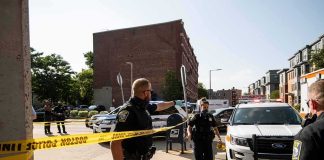
On July 8, Philadelphia police were called to a home in the Roxborough section of the city, where they found Hanrahan inside with a gunshot wound to the chest. Officials say he had been doing contracting work at the house when an argument broke out, likely about money owed for the job. The homeowner, 75-year-old George Barr, was taken into custody after returning from walking his dog and later charged with murder, possession of an instrument of crime, and reckless endangerment.
Prosecutors say Barr shot Hanrahan during the dispute, turning a business conflict into a deadly confrontation. A report from local radio says detectives found a contractor bill for $70,000 inside the home, suggesting a high-value home improvement project was at stake. That large figure matches what experts describe as common risk in construction fraud, where costs can be overstated or manipulated and homeowners feel trapped by surprise charges or poor work. Barr is being held without bail while the case moves forward in court.
How Alleged Fraud Rings Target Homeowners
The “Traveling Conman Fraud Group” fits patterns described by the American Bar Association, which lists home repair and construction scams as one of the most common types of fraud in the industry. These schemes often involve contractors who overstate project costs, use low-quality materials, or walk away before the job is finished, leaving homeowners with big bills and unfinished work. Federal agencies like the Department of Justice (DOJ) and FBI have grown more active in flagging contractors as part of larger fraud networks to push stronger enforcement.
Recent DOJ initiatives have focused on contractor fraud and civil rights abuses, showing how the government is trying to crack down on schemes that hit regular people and public agencies alike. At the same time, construction fraud cases against government contractors show how complex these situations can be and how hard it is for victims to fight back once the money is gone. These broader trends help explain why DHS is quick to label alleged members of a group like the Traveling Conmen as part of a transnational criminal organization, especially when immigration issues are involved.
Open Questions, Public Frustration, and the Bigger System
While federal officials are firm about Hanrahan’s alleged ties to the fraud group, the public record still has gaps. News outlets repeat the phrase “allegedly affiliated,” and so far there is no DOJ indictment or case file released that lays out specific victims, dollar amounts, or emails linking Hanrahan personally to confirmed scams. Without sworn testimony or detailed evidence in public view, many citizens on both the right and the left may wonder how strong the case is and whether labels like “transnational criminal organization” are sometimes used for political effect.
🚨 DHS Releases New Details in Fatal Philadelphia Contractor Shooting
Federal investigators have released new information about Salis Hanrahan, the 20-year-old contractor who was fatally shot on July 8 by a Philadelphia homeowner.
According to the Department of Homeland… pic.twitter.com/UEmy4CRgb0
— PhillyCrimeUpdate (@PhillyCrimeUpd) July 14, 2026
This story hits several nerves at once: illegal immigration, possible home repair fraud, and a deadly shooting inside a private home. Conservatives frustrated with weak border enforcement see a foreign national here illegally, tied by federal claims to a fraud ring, working inside an American home. Liberals worried about economic justice and growing inequality see a homeowner and a young worker in a high-pressure money dispute, with unclear protections for either side. Both sides share a deeper concern that the federal system responds more to headlines and politics than to everyday people’s need for safety and fairness.
Sources:
washingtontimes.com, 6abc.com, facebook.com, dhs.gov, oig.dhs.gov, justice.gov, en.wikipedia.org, cbsnews.com