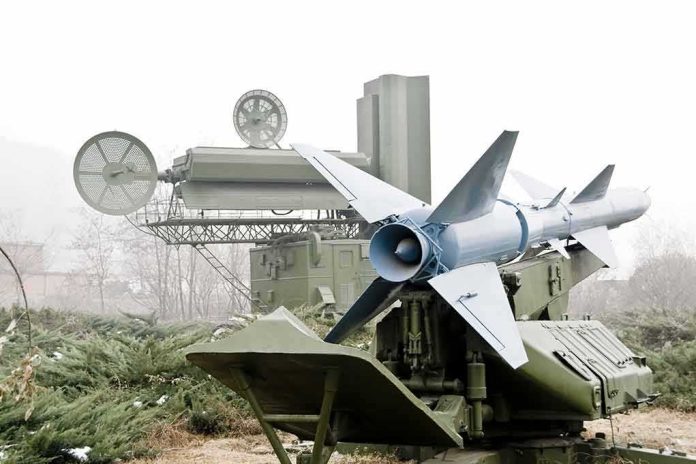
Brussels cleared Ukraine to spend EU loan money on U.S.-made Patriot interceptor missiles, signaling speed over red tape in Europe’s war policy.
Story Snapshot
- The European Commission approved Ukraine’s request to fund Patriot interceptors with a €90 billion EU loan.
- The loan rules prefer European sourcing but allow outside purchases when Europe cannot supply in time.
- Officials said Ukraine’s payment request included U.S.-made PAC-3 Patriot interceptors.
- The decision tests Europe’s balance between industrial policy and urgent wartime needs.
What Brussels Approved And Why It Matters
The European Commission approved Ukraine’s request to use loan funds for Patriot interceptor missiles, enabling purchases from outside Europe when needed items are not available fast enough. Commission leaders designed the €90 billion package to prioritize buys in Ukraine and Europe, but they built in exceptions for urgent gaps that Europe cannot fill on time. Ukrainian requests named U.S.-made PAC-3 interceptors, a key part of Patriot systems that counter Russian missile and drone strikes.
Reports from European and Ukrainian outlets say the Commission decision covers interceptor missiles for existing Patriot batteries, not new launchers. That focus fits the stated goal of plugging immediate air defense shortages before winter attacks intensify. Earlier Commission steps released billions for air and missile defense, ammunition, and radar, while keeping the door open to outside suppliers if Europe’s industry cannot deliver in time or in the needed quantity.
The Loan Rules And The Exception Path
EU leaders framed the loan around a “buy European first” idea to boost local industry and jobs. The rules allow exceptions only when no suitable European product exists or when production and delivery would take too long for the battlefield. A Commission spokesperson and policy texts described this derogation path in recent briefings and releases, which officials used here to address Patriot interceptor supply limits in Europe.
Ukraine’s request triggered that exception review because PAC-3 interceptors are made in the United States. European news coverage described the internal debate: protect European industry or meet Ukraine’s urgent air defense needs now. The approval shows policymakers opted to meet the urgent need. Commission President Ursula von der Leyen previously confirmed receipt of a Ukrainian payment request that listed Patriot interceptors, framing the file as “moving in the right direction”.
What Ukraine Can Buy Now And The Next Steps
Ukrainian officials have pursued Patriot interceptor purchases for months as stocks ran low. Media in Kyiv reported that the Commission’s move unlocks financing for interceptors, with the mechanism allowing non-European buys when justified by urgency and lack of supply. The decision aligns with prior Commission statements that funds will mainly go to Ukraine and Europe, but exceptions are available in narrow cases, like advanced air defense missiles that Europe cannot supply quickly.
Together with @EU_Commission President @vonderleyen, I welcome the agreement by the EU member states on the derogation for Ukraine to purchase crucial products for Patriot air defence systems.
The next disbursement of $3.5 billion will enable Ukraine to better protect its skies…
— Mark Rutte (@SecGenNATO) September 8, 2026
Practical effects will hinge on contracts, delivery schedules, and production slots. The loan framework requires Ukraine to submit signed contracts to draw down funds. That step will determine timelines and quantities. Earlier releases under the loan covered air and missile defense and ammunition, signaling that Brussels expects multiple tranches tied to concrete contracts over time. The Commission’s approval does not change U.S. export rules, but it does settle the EU financing side for interceptor buys.
Why This Decision Resonates On Both Sides Of The Atlantic
European capitals have wrestled with a core tradeoff since the war began: grow Europe’s defense industry or buy abroad to stop missiles now. This Patriot case sets a clearer bar for using exceptions. The Commission prioritized battlefield urgency over industrial preference when Europe lacked timely supply. That sends a signal to Washington and defense firms about demand for interceptors and about Europe’s willingness to fund off-continent purchases under defined emergency rules.
The move also highlights a larger frustration shared by many voters in the United States and Europe. People see leaders talk about strategy while front-line units need working shields today. By activating the exception, Brussels acknowledged that process must not outrun protection. The outcome may not please every industry advocate, but it answers a basic wartime question: when lives are on the line, speed comes first.
Sources:
defensenews.com, businessinsider.com, kyivindependent.com, united24media.com