President Trump signed onstage pardons for two Alaska diesel mechanics, turning a Biden-era Clean Air Act case into a clear win for working people who keep America moving.
Story Highlights
- Trump granted full pardons onstage to two Anchorage shop co-owners at a Wasilla rally.
- The men had pleaded guilty in 2022 to a Clean Air Act conspiracy tied to diesel modifications.
- Court records state there were no prison sentences; penalties were probation, fines, and service.
- Prosecutors alleged tampering on about 37 vehicles and paid “delete” services.
Public Clemency Delivered In Front of Supporters
President Trump signed unconditional pardons for Anchorage mechanics Zachary Czubak and Patrick Fleming onstage during a rally in Wasilla, Alaska. Reports identify the men as co-owners of Arm Rippin Toys, a diesel repair and modification shop. The dramatic moment put the presidential clemency power in full public view and underscored Trump’s promise to stand with tradespeople and small businesses facing aggressive environmental enforcement from the prior administration.
The pardons addressed a Biden-era case that had dragged on since 2022. Coverage from the event emphasized the unusual nature of signing pardons live before a cheering crowd. Supporters saw the action as righting a federal overreach against mechanics doing hands-on work in harsh Alaska conditions. Critics framed it as political theater. The documents defining the legal scope of the pardons will clarify the precise relief for each man under federal law once posted by the government.
What The Case Was About, According to Prosecutors
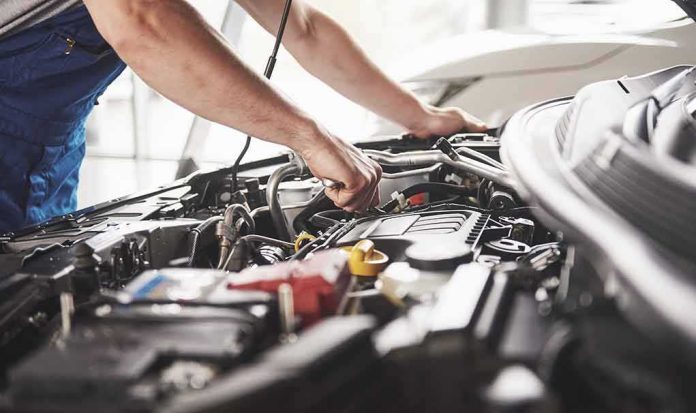
Federal filings say Arm Rippin Toys removed emissions equipment and altered onboard systems so diesel trucks could run without required controls. The Justice Department stated the conduct covered at least 37 vehicles. The two men, along with a third co-owner, pleaded guilty to a Clean Air Act conspiracy in 2022. Prosecutors also alleged the shop offered the removal as a paid service, charging between about $1,100 and $5,400 per vehicle, placing the work within a commercial pattern rather than a one-off fix.
The official record describes “tuning and deleting” as the core conduct, which defeated emissions monitoring and allowed operation after pollution controls were removed. Federal accounts argue that the systems were designed to reduce harmful pollutants. These government descriptions shape the institutional narrative of the case. They also explain why enforcement went beyond routine repair disputes into federal criminal territory under the Clean Air Act framework.
How Sentencing Landed And Why It Mattered To Alaskans
Despite tough rhetoric around maximum penalties, the sentences did not include prison time. Reports based on the Justice Department say the defendants received probation, significant fines near $66,000, and community service hours. That outcome fueled claims that the prosecution overshot the mark and burdened local trades. For many in Alaska, the details reinforced a belief that Washington regulations have punished small shops even when no one was sent to jail in the end.
Supporters argue that cold weather, remote work sites, and truck reliability push shops into hard choices. They say customers need vehicles that start, haul, and keep families and freight safe in extreme conditions. The record in this case does not include engineering tests or expert findings that Alaska’s cold required these specific modifications. That technical gap remains a point of debate that future policy and industry guidance should address without criminalizing honest work.
Why The Pardons Resonate With Working Families
Trump’s pardons send a signal: federal power should not crush livelihoods over technical disputes that regulators can solve with guidance, not cuffs. The Constitution gives the president the power to grant clemency, and here it was used to correct what many see as a mismatch between D.C. rules and on-the-ground reality. For truck owners, mechanics, and small businesses nationwide, the message is clear—Washington must respect work, family budgets, and the freedom to earn a living.
MAIN: President Trump signed pardons ONSTAGE at his Wasilla, Alaska rally for two Anchorage diesel mechanics, Zachary Czubak and Patrick Fleming, convicted under the Clean Air Act for removing emissions equipment from trucks.
"Two other Wasilla truckers were also wrongly… pic.twitter.com/AEruMXvJPX
— Spectre Nation🇺🇸🏴☠️ (@SpectreNation1) October 15, 2026
Next steps belong to policy. Clear, cold-weather-tested standards and practical compliance paths would help shops keep trucks clean and reliable. Transparent data, straight answers from manufacturers, and honest cooperation between government and industry can protect air quality without wrecking paychecks. The Alaska pardons mark a turning point. They challenge regulators to stop punishing first and start solving problems with the people who actually turn the wrenches.
Sources:
cbsnews.com, alaskanews.com, yahoo.com, newsweek.com, justice.gov