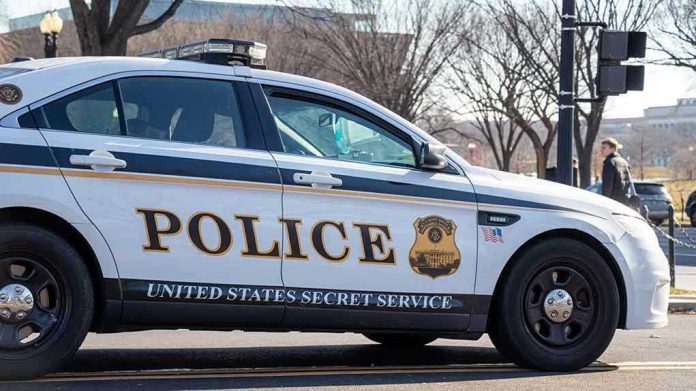
A Secret Service agent assigned to Jill Biden’s detail accidentally shot himself in the leg at Philadelphia International Airport, sparking urgent questions about firearm safety protocols in high-stakes protection details.
Story Snapshot
- Agent suffered non-life-threatening injury from negligent discharge while escorting Jill Biden at PHL airport.
- Incident occurred during a protective assignment; no threat to Biden or public reported.
- Secret Service launched internal investigation into the accidental shooting.
- Event highlights rare but serious risks of armed agents in close-quarters operations.
Incident Details at Philadelphia International Airport
A U.S. Secret Service agent working Jill Biden’s detail discharged his weapon accidentally at Philadelphia International Airport. The self-inflicted leg wound happened during escort duties. Paramedics treated the agent on-site for non-life-threatening injuries. Authorities confirmed no other individuals faced harm. The airport continued normal operations without disruption.
Secret Service classified the event as a negligent discharge. Agents carry firearms under strict protocols during protective assignments. This case exposed a momentary lapse in holster handling or firearm safety. Officials transported the injured agent to a local hospital for evaluation. Biden proceeded with her schedule unaffected.
Secret Service Protective Protocols Exposed
US Secret Service agents protect former First Ladies like Jill Biden under Title 18 U.S. Code § 3056. Firearms form core equipment for threat neutralization. Training emphasizes safe handling, yet accidents persist across law enforcement. This incident underscores holster design flaws or human error in dynamic environments like airports.
Investigators focus on weapon type and circumstances leading to discharge. No evidence suggests impairment or intentional act. Agency policy mandates immediate reporting and review. Past precedents, including airport mishaps, prompted enhanced safety drills. Common sense demands zero tolerance for such preventable risks in elite units.
Congressional Scrutiny and Historical Context
July 2024 hearings questioned Secret Service resource shifts from Donald Trump’s high-risk rally to Jill Biden’s low-threat events. Senators Ted Cruz and Rep. William Timmons pressed former Director Kimberly Cheatle on priorities. She resigned amid fallout from the Butler, Pennsylvania shooting that injured Trump and killed an attendee. Republicans viewed reallocations as negligence favoring Democrats.
Cheatle testified Biden events faced no specific threats, unlike Trump’s open-air rally with 20,000 attendees. Agency denied diversions. Facts align with conservative critiques of misprioritized security. Common sense prioritizes threat scale—outdoor megaphone rallies demand more agents than indoor ballrooms. Reforms followed, boosting election protections.
https://twitter.com/TheInsiderPaper/status/2037582806323466585
Impacts on Agency Reputation and Reforms
The agent’s mishap erodes public trust already strained by 2024 failures. Short-term fallout includes internal probes and potential disciplinary action. Long-term, expect tightened firearm training and equipment audits. Trump supporters demand accountability, citing rallygoer death as unacceptable precedent.
Polarization deepens with accusations of bias. Affected parties span Biden’s detail, agency leadership, and congressional overseers. Economic costs remain low, tied to investigations. Broader scrutiny reshapes VIP protection nationwide. Conservative values insist on competence over excuses in safeguarding lives.