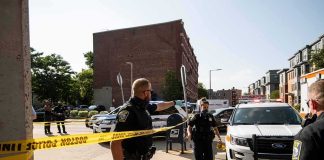
When federal immigration enforcement shows up near schools, teenagers don’t just feel fear—they learn leverage.
Quick Take
- Student walkouts branded “ICE Out” and “National Shutdown” spread nationwide around January 30, 2026, fueled by viral videos and campus organizing.
- Two high-profile Minneapolis killings attributed to ICE actions became the emotional accelerant that turned local outrage into a national youth mobilization.
- Schools and districts responded with pragmatic damage control: closure decisions, virtual learning options, and flexible attendance policies.
- The fight moved from sidewalks to rulebooks, raising fresh free-speech and safety questions for administrators and parents.
How a Minneapolis flashpoint turned into a national student playbook
January 2026 handed the country a familiar script with an unfamiliar cast: students, not politicians, setting the tempo. After the killings of Renee Good on January 7 and Alex Pretti on January 24 in Minneapolis, anger didn’t stay local. Organizers tied those deaths to a wider enforcement surge and to the rollback of “sensitive locations” protections that had discouraged operations near schools and churches. That combination—grief plus proximity—made walkouts feel personal rather than ideological.
January 30 became the symbolic ignition point. Student unions at the University of Minnesota called for a general strike, and the event acquired the clean, meme-ready name “National Shutdown.” The labor side didn’t fully materialize, but the student side did, which matters more than adults often admit. Teens don’t need union density to create disruption; they need a hallway, a bell schedule, and a phone camera. The result: walkouts across cities, amplified by the same social algorithms that usually sell sneakers.
Why “schools as battleground” changed the stakes overnight
Previous immigration protests often centered on deportations and border policy. The 2026 wave carried a different charge: the fear that enforcement activity could intersect with school routines—drop-offs, bus stops, sporting events, even the walk home. Reports of ICE activity around educational spaces, plus the visible rescission of location-based restraints, gave students a simple argument that resonated beyond partisan bubbles: school is supposed to be predictable, and adults are obligated to keep it that way.
Portland illustrated the new pattern in miniature. Hundreds of students walked out, and local reporting captured teenagers speaking less like activists and more like protectors of family. When a school population includes a large share of Latino students, rumors travel faster than official emails, and attendance becomes a referendum on trust. Families don’t parse federal memos at breakfast; they ask whether a campus feels safe today. Administrators faced an ugly reality: even “normal operations” can look like complicity when kids feel hunted.
How school districts responded: not ideology, but triage
School leaders didn’t get the luxury of debating immigration policy in the abstract. They had to decide whether to close buildings, how to record absences, and what to tell staff confronting anxious students in real time. Minneapolis and nearby districts closed temporarily after a reported incident at Roosevelt High School, then moved toward options like virtual learning. Elsewhere, districts signaled that protests could occur without automatic punishment, even while reminding families that absences can trigger consequences like extracurricular eligibility rules.
Those moves weren’t applause for the walkouts; they were seatbelts in a crash. Conservative common sense recognizes that a school’s first duty is order and safety, not political theater. Yet order doesn’t mean pretending fear is imaginary. The most competent administrators tried to keep two truths in view: students have speech rights, and schools have custodial responsibilities. Ignoring either one invites lawsuits, injuries, or both. That balancing act became the real story behind the viral footage.
The free-speech fight inside the building, not on the street
Education observers flagged what many parents already sensed: the debate wasn’t only about ICE, it was about who controls the school day. Walkouts test the boundary between protected expression and disruptive conduct. Staff also sit in the crosshairs. Teachers must supervise students, maintain classroom function, and respond to trauma claims—while staying inside district policies that can change midweek. The friction rose because the protests landed where institutions are least flexible: attendance, safety plans, and discipline codes.
Unions elevated the conflict into courtrooms and press conferences. The National Education Association filed an emergency motion seeking to stop enforcement actions near schools, citing educator accounts of fear and disruption. Education International described enforcement activity as “terrorizing communities,” pushing a moral claim that resonates with many teachers who see student well-being as their core metric. Readers with a conservative lens should still recognize the practical point: when kids panic, learning collapses, and taxpayers fund the fallout.
What the “ICE Out” wave reveals about power in 2026
The most revealing detail was not how many people marched, but how quickly institutions adjusted once teenagers coordinated. Students used economic-blackout language, but their real leverage came from forcing systems to respond: substitute coverage, security coordination, communications teams, and attendance offices swamped by calls. A protest that “fails” as a strike can still succeed as a stress test. It tells families whether leaders can keep school functioning when politics invades the parking lot.
https://twitter.com/TownhallUpdates/status/2025257971324764317
The next chapter depends less on slogans and more on rules. If courts restore location-based limits, districts may regain predictability. If enforcement continues near schools, expect more virtual-day contingency planning, tighter campus perimeters, and more disputes over discipline. The smartest approach, consistent with conservative values, protects the learning environment first: clear protest boundaries, firm consequences for violence or vandalism, and transparent coordination with local law enforcement—paired with humane, lawful safeguards so families don’t fear a school run will turn into a raid.
Sources:
January 30, 2026 protests against ICE – Wikipedia
2026 U.S. immigration enforcement protests – Wikipedia
Oregon businesses students general strike immigration enforcement – OPB
Free speech debates resurface with student walkouts over ICE raids – Education Week
ICE out of schools: Educators and their unions mobilise for students – Education International
NEA files emergency motion to stop ICE enforcement near schools – NEA Today
Protest season: Operation Metro Surge timeline in Minnesota and at the UMN – Minnesota Daily