A San Antonio couple watched missiles strike a luxury hotel across from their beachfront paradise, only to discover their government would tell them to shelter in place and wish them luck getting home.
Story Snapshot
- Karen and Bob Carifee became stranded in Dubai after Iranian retaliatory strikes on the UAE canceled their cruise and grounded commercial flights
- The couple experienced three consecutive flight cancellations while receiving only “shelter in place” instructions from US officials
- State Department initially told nearly 3,000 affected Americans not to rely on government evacuation assistance
- Within hours of public outcry, the department reversed course and announced charter flight facilitation from multiple Middle Eastern countries
When Vacation Becomes a War Zone
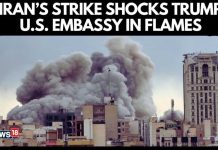
The Carifees started Saturday morning floating over Dubai in a hot air balloon and strolling through the Dubai Miracle Garden. By afternoon, they were witnessing Iranian missiles hitting the Fairmont hotel across from their beach location on Palm Jumeirah. Their dream vacation transformed into a nightmare of cancellations when the Celestyal Journey cruise ship became stuck in Doha, Qatar, eliminating their planned Sunday departure. What followed was a cascade of failures that exposed serious questions about what American citizens can actually expect from their government during international crises.
Three Strikes and You’re Still Not Out
The couple’s attempts to leave Dubai read like a bureaucratic comedy of errors, except nobody was laughing. Sunday brought their first flight cancellation. Monday delivered the second. By Tuesday, Karen Carifee had reached her breaking point, publicly sharing her frustration about the disconnect between doing everything right and getting nowhere. She had registered with the State Department, followed all protocols, and received nothing but generic “shelter in place” guidance. The third flight booking for Thursday remained uncertain, leaving them trapped in an expensive holding pattern at the Waldorf Astoria.
The Government Response That Wasn’t
Tuesday afternoon crystallized everything wrong with the federal response. When the Carifees called the State Department hotline seeking help, they received a pre-recorded message that should alarm every American who travels internationally. The message stated bluntly that citizens should not rely on the US government for assisted departure or evacuation, and that no United States evacuation points existed. This wasn’t a temporary systems failure. This was official policy delivered to desperate citizens watching a war unfold around them. Karen Carifee’s question cut to the heart of the matter: she wanted an exit plan, not vague reassurances.
A Tale of Two Governments
The contrast between American and British responses tells you everything about bureaucratic priorities. While the Carifees received recorded messages essentially telling them they were on their own, Karen noted that the British government was actively evacuating its citizens. The comparison raises uncomfortable questions about what American tax dollars actually buy in terms of consular protection. When President Trump was asked about chartering evacuation planes, his response that everything happened very quickly rang hollow for families watching other nations successfully extract their people from the same crisis zone.
The Sudden Reversal
Public pressure works wonders on government responsiveness. By Tuesday evening, after news coverage amplified the Carifees’ plight and that of thousands of other stranded Americans, the State Department suddenly discovered they could facilitate charter flights from the UAE, Saudi Arabia, and Jordan after all. The hotline message changed from “don’t rely on us” to “stay on the line for assistance.” The department announced it had answered calls from nearly 3,000 American citizens across the Middle East and was helping book commercial flights from multiple countries. The timing suggests the initial response was a choice, not an inevitability.
The Broader Pattern of Unpreparedness
This incident reveals systemic problems beyond one couple’s vacation disruption. Approximately 3,000 Americans needed help simultaneously, exposing capacity limitations at US embassies and consulates throughout a volatile region. The initial “you’re on your own” message indicates no established evacuation protocols existed despite decades of Middle Eastern instability. The cruise line, airlines, and hospitality industry all scrambled without clear government coordination. Americans expect their powerful government to protect citizens abroad, yet the infrastructure and planning to deliver that protection appears inadequate when tested by real-world crises.
Texas couple stuck in Dubai after cruise was canceled says they can't get help from US: 'I want to know an exit plan'. Well, Trump said this happened so fast, he didn’t have time to prepare. Fact: this has been in the works for months. https://t.co/tMw7mUrnTI
— Karl Rosenfeld (@kneerecon) March 4, 2026
The Carifees reported feeling mostly safe as Dubai’s government worked to restore normalcy, with beaches reopening and the Dubai Mall welcoming shoppers again. Yet their forced extension at a luxury resort represents a troubling precedent. American citizens followed rules, registered properly, and still found themselves abandoned during an active military conflict. The eventual government reversal demonstrates capability existed all along. The question becomes whether citizens should accept a system that requires public embarrassment before delivering basic consular services. Common sense suggests Americans deserve better than crisis response that depends on making headlines.
Sources:
Texas couple stuck in Dubai after cruise was canceled
American couple stuck in Dubai after cruise canceled can’t get help from US