One small Jewish bagel shop in Sydney just answered a question the West keeps dodging: how public can Jewish life be before it becomes a security risk?
Story Snapshot
- A proudly Jewish bagel shop in inner-city Sydney has shut for good after two years of escalating antisemitic threats.
- A recent terrorist massacre at a Chanukah event in Bondi became the final trigger for the closure.
- The owner, TV chef Ed “Fast Ed” Halmagyi, says it is no longer possible to keep outwardly Jewish spaces safe in Australia.
- The story exposes a hard truth: intimidation works when authorities cannot guarantee basic security for openly Jewish businesses.
A bagel shop that became a frontline in a culture war
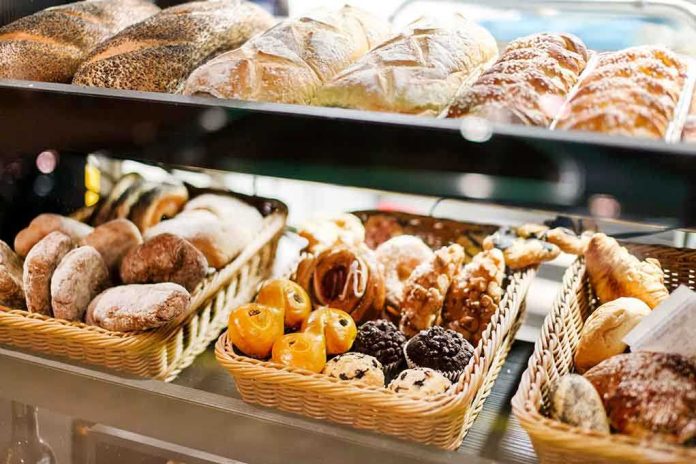
Avner’s Bakery sat in Surry Hills, trendy and walkable, the kind of suburb where people assume history’s ugliness lives somewhere else. For two years, Ed Halmagyi tried to run more than a business; he ran a statement: a visibly Jewish bakery, named for a Jewish figure, anchored in bagels and tradition in full view of the street. That simple decision turned his shopfront into a magnet for people who hate Jews more than they love coffee.
'Avner's Is Closed': Jewish Bagel Shop Shutters Doors Thanks to Ongoing Threats, Antisemitism
https://t.co/OIrfKh8d8x— Townhall Updates (@TownhallUpdates) December 17, 2025
The harassment did not appear overnight. It built in layers, like the dough Ed boiled and baked every morning. Windows did not just get tagged; they were marked with inverted red triangles, a symbol with roots in Nazi prisoner markings and revived by Hamas as a badge of targets. A note slid under the door read “be careful” or “beware,” the kind of coy menace that pretends to be just words until someone squeezes a trigger. Customers saw bagels; vandals saw an opportunity to make a point through fear.
From targeted vandalism to outright terror
October 2023 brought the first clear escalation. The graffiti at Avner’s mirrored a wider pattern across Sydney: Jewish sites singled out with Nazi-era and Hamas-linked symbols amid the Israel–Hamas war. That was not a protest; it was a selection. When a symbol historically used to mark people for persecution shows up on a Jewish storefront, common sense says the message is not subtle. The bakery stayed open then, helped by a local community that refused to be pushed back into the shadows.
The line finally snapped after a different scene on a different shoreline. During “Chanukah by the Sea” at Bondi Beach, a terrorist turned a holiday gathering into a massacre, killing 15 people in what many called a modern pogrom. The victims were targeted because they were Jews celebrating a Jewish festival in public, exactly the kind of visibility Avner’s embodied. Ed shut the shop temporarily, posting that his first duty was to protect staff, customers, and their families while he absorbed the scale of the “awful and mindless violence.”
“AVNER’S IS CLOSED” and what that really means
Days later, the temporary pause became a permanent judgment. A printed notice on the bakery door stated that “the world has changed” and that outwardly, publicly, proudly Jewish places can no longer be kept safe in Australia. The last line, “AVNER’S IS CLOSED,” was blunt. The owner was not speculating about some distant trend; he was weighing two years of harassment plus a fresh terrorist slaughter and deciding that hope alone does not stop bullets or bricks. For a conservative reader, this sounds less like panic and more like hard-headed risk assessment.
'Avner's Is Closed': Jewish Bagel Shop Shutters Doors Thanks to Ongoing Threats, Antisemitism https://t.co/7wjWuGFa1T
— ConservativeLibrarian (@ConserLibrarian) December 17, 2025
Critics might insist that closing gives bigots what they want. That argument assumes the state will reliably protect those who stay open. When Jewish venues face ongoing threats, Nazi and Hamas-linked graffiti, and a major anti-Jewish terror attack within the same metropolitan area, the idea that one small bakery must stand firm for symbolism starts to look glib. Personal responsibility also includes recognizing when you cannot reasonably guarantee the safety of your employees or your patrons.
What this shuttered storefront says about Western resolve
The loss of one bagel shop is not an economic earthquake. It does, however, signal something profound: a chilling effect on any Jewish entrepreneur considering whether to put a mezuzah on the door or the word “Jewish” on the sign. When enough people quietly decide it is safer to erase that identity from public view, a society claims tolerance on paper while pushing Jews back into private spaces in practice. That drift away from open pluralism is exactly what antisemitic intimidation aims to achieve.
American conservatives often talk about law and order, equal protection, and the non-negotiable right to live one’s faith in public without fear. Measured against those principles, Avner’s case reads like a warning label. Threats escalated, symbols of extermination were sprayed on glass, a local Jewish celebration was turned into a killing field, and the final answer for now was that a Jewish business could not stay both proud and safe. That is not just a Sydney story; it is a stress test for Western promises everywhere.
Sources:
Ed Halmagyi closes doors to Surry Hills Jewish bakery Avner’s in wake of Bondi terrorist attack
Antisemitic attack on Jewish bakery in Sydney