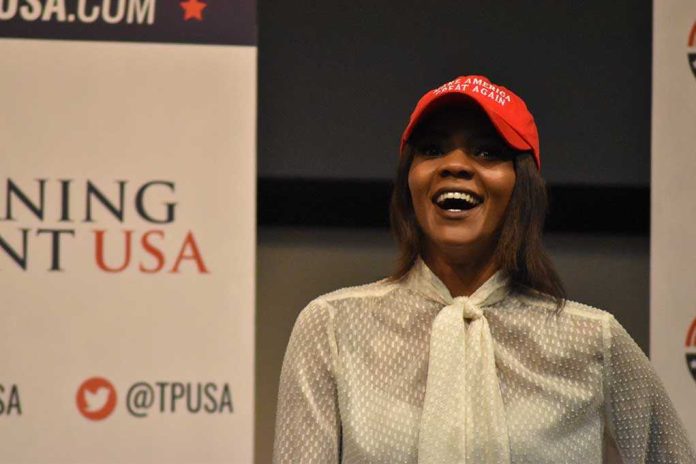
What happens when grief, conspiracy theories, and political infighting collide? The answer is a scandalous feud between Candace Owens and Erika Kirk that has ignited the conservative media landscape.
Story Snapshot
- Candace Owens accuses Erika Kirk of using “BLM tactics” after Kirk became TPUSA CEO following her husband’s assassination.
- Erika Kirk counters Owens’ conspiracy theories as defamatory and exploitative of her grief.
- The dispute highlights broader issues of right-wing media infighting and conspiracy narratives.
- Public and political figures, including Sen. John Fetterman, have condemned attacks on Erika Kirk.
A Confluence of Tragedy and Conspiracy
Charlie Kirk, founder of Turning Point USA (TPUSA), was assassinated during a campus event in September 2025. His widow, Erika Kirk, was swiftly named as the new CEO of TPUSA, following what insiders claim were Charlie’s wishes. However, this transition has been marred by conspiracy theories fueled by former TPUSA star Candace Owens. Owens has accused Kirk and TPUSA of involvement in her husband’s death and criticized the organizational decisions made post-assassination.
Owens’ narrative extends to questioning the legitimacy of Erika’s appointment and TPUSA’s decisions, branding them as manipulative and underhanded. These claims are not just about succession but tap into broader cultural and political tensions. Owens has used her platform to amplify these conspiracies, which include outlandish theories about alternate shooter positions and international involvement, particularly implicating Israel.
The Fallout of a Leadership Transition
The rapid transition of Erika Kirk into the CEO role has been a point of contention. TPUSA insiders defend the decision, citing it as a way to uphold Charlie’s legacy and ensure continuity during a crisis. Meanwhile, Owens argues that the process was mishandled and rushed, suggesting that Erika’s elevation was improperly planned and executed. This leadership succession is not just about organizational logistics; it’s a reflection of the power dynamics and personal rivalries that have emerged in the wake of Charlie’s death.
Owens’ allegations have been met with resistance from TPUSA and Erika’s supporters, who characterize her claims as incoherent and exploitative. The narrative battle has escalated into a full-blown public feud, drawing in conservative media figures and public officials who have condemned the attacks on Erika as inappropriate and insensitive.
Candace Owens strangely accuses Erika Kirk of using BLM tactics after widow fires back at podcaster’s incoherent conspiracy theories https://t.co/RJPDgc2LOA pic.twitter.com/mXggvOXzkd
— New York Post (@nypost) December 11, 2025
Conspiracy Theories and Public Backlash
The public nature of this dispute, fueled by Owens’ conspiratorial content, has drawn attention and criticism from across the political spectrum. Owens’ history of promoting conspiracy theories, as seen in her previous legal troubles with the French President and First Lady, has only added to the skepticism surrounding her current claims. This situation illustrates the delicate balance between free speech and responsible discourse, especially when dealing with the grief of a widow.
Erika Kirk has faced harassment and threats, highlighting the real-world impact of conspiratorial narratives. Public figures like Sen. John Fetterman have spoken out, condemning the attacks on Erika and calling for a more respectful and fact-based discussion. The rhetoric of “BLM tactics,” used by Owens, has been criticized as a misappropriation of terms meant to delegitimize and manipulate.
The Broader Implications
This incident underscores the deep factionalization within right-wing media and conservative politics. The clash between Owens and TPUSA reflects larger tensions about loyalty, truth, and the exploitation of tragedy for personal gain. As the situation continues to unfold, it raises important questions about the ethics of conspiracy content and the responsibilities of influential figures in shaping public opinion.
The feud between Candace Owens and Erika Kirk is not just about personal grievances; it’s a microcosm of the challenges facing conservative media today. As the lines between news and opinion blur, the need for accountability and integrity becomes increasingly crucial. This story serves as a cautionary tale about the power of narrative and the potential consequences of unchecked conspiratorial rhetoric.