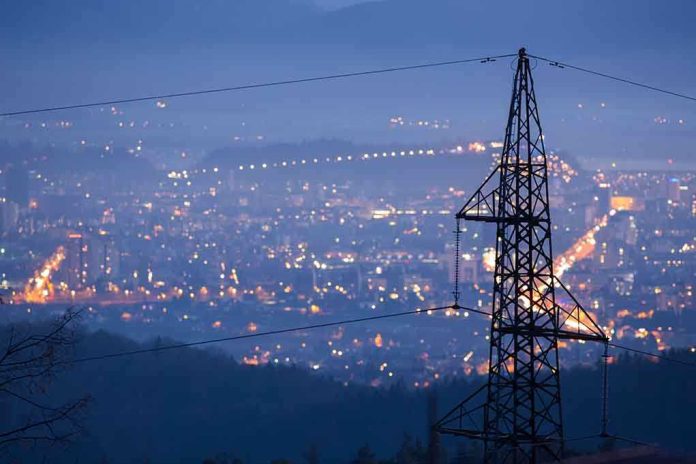
Los Angeles neighborhoods are being plunged into darkness as copper wire thefts spark a costly epidemic.
Story Overview
- Copper wire thefts from streetlights and infrastructure have cost over $100 million since 2020.
- More than 27,000 miles of wiring have been impacted, affecting crucial urban services.
- The peak of this crisis saw nearly 46,000 service requests in 2024 alone.
- Efforts to combat the thefts include solar lighting and new legislation.
Darkness Descends on Los Angeles
The theft of copper wiring from Los Angeles streetlights has become a rampant epidemic, plunging entire neighborhoods into darkness. Since 2020, this criminal activity has caused over $100 million in damages, affecting more than 27,000 miles of wiring. This catastrophic disruption has left communities without light, disrupted services, and strained city resources. Incidents have been reported across the city, including at high-profile locations like the 6th Street Bridge, which has been dark since 2022.
The surge in copper thefts is driven by the high scrap value of the metal, which has led to a sharp rise in thefts since the summer of 2023. In 2024, Los Angeles experienced a staggering number of service requests, with nearly 46,000 complaints filed, 40% of which were due to theft. Notable incidents include the theft of 38,000 feet of wiring from the 6th Street Bridge, resulting in $2.5 million in damages.
The Impact on Public Safety and Infrastructure
The ongoing thefts pose significant public safety risks. Prolonged darkness in urban areas facilitates crime, poses hazards for wildlife, and disrupts essential services like internet and phone connectivity. In 2025, over 37,000 repair requests were filed, with more than 50% still unresolved by September. The thefts have affected approximately 15% of the city’s lighting system, leaving residents in a precarious situation.
The economic toll on taxpayers is immense, as repair efforts struggle to keep up with the damage. The Bureau of Street Lighting, with fewer than 200 staff members, faces a daunting backlog that could take 9-12 months to resolve. Meanwhile, the LAPD’s Heavy Metal Task Force and local politicians are under pressure to find effective solutions to this crisis.
Efforts to Combat the Epidemic
In response to the crisis, the city has deployed various measures to combat copper wire theft. The Bureau of Street Lighting has installed 1,000 theft-proof solar lights and implemented security measures like alarms, cameras, and fortified pull boxes. The arrest of a suspect in West Los Angeles in October 2025 underscores the ongoing efforts of law enforcement to address the issue.
New legislation set to take effect in 2026 aims to curb metal theft by imposing penalties on scrap dealers. Additionally, the introduction of tariffs on copper is being considered as a deterrent to those profiting from the stolen metal. These measures, combined with community pressure and political advocacy, aim to restore safety and light to affected neighborhoods.
The Broader Implications
The implications of copper wire theft extend beyond immediate safety concerns. The thefts threaten critical infrastructure projects, including the rollout of electric vehicle chargers, 5G networks, and air monitoring systems. The scale of the problem in Los Angeles, with its quarter-million streetlights and extensive wiring network, highlights the need for comprehensive solutions.
Despite the challenges, there is optimism about the potential of solar lighting to provide a sustainable and theft-resistant alternative. However, experts caution that the underlying vulnerabilities of the city’s infrastructure must be addressed to prevent future thefts. As Los Angeles grapples with this ongoing epidemic, the lessons learned could inform national efforts to protect urban infrastructure from similar threats.
Sources:
LA Times: Suspected Copper Thief Arrested
Route Fifty: LA Explores New Options