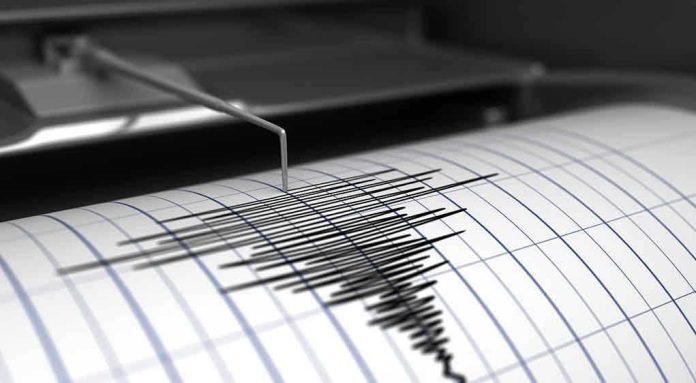
A devastating 7.6-magnitude earthquake has rocked northern Japan, unleashing tsunami waves and reviving haunting memories of the nation’s worst natural disaster in recent history.
Story Snapshot
- Powerful 7.6-magnitude earthquake strikes off northern Japan late Monday
- Tsunami waves reach up to 70 centimeters along Pacific coast communities
- Japanese Meteorological Agency warns of potentially higher surges incoming
- Event triggers emergency protocols across Japan’s coastal regions
Earthquake Strikes Japan’s Vulnerable Northern Coast
The earthquake struck late Monday evening, sending tremors through northern Japan’s already earthquake-prone region. The 7.6-magnitude quake originated offshore, creating the perfect conditions for tsunami generation. Within minutes of the initial tremor, the Japanese Meteorological Agency activated its sophisticated early warning systems, alerting millions of residents along the Pacific coastline.
The timing couldn’t have been more concerning. Late evening earthquakes historically catch populations off-guard, limiting evacuation time and increasing casualty risks. Japan’s northern prefectures, still bearing scars from previous seismic events, faced another test of their disaster preparedness infrastructure.
Tsunami Waves Reach Pacific Communities
Tsunami waves measuring up to 70 centimeters crashed into Pacific coast communities shortly after the earthquake. While 27 inches might seem manageable, tsunami experts know these initial waves often serve as harbingers of larger surges. The Japanese Meteorological Agency’s warning system immediately flagged the potential for significantly higher waves in the coming hours.
Coastal residents received evacuation orders through Japan’s advanced J-Alert system, which broadcasts emergency notifications directly to mobile phones. The system, refined through decades of seismic activity, represents one of the world’s most sophisticated disaster warning networks. Emergency responders mobilized across affected prefectures, establishing evacuation centers and coordinating rescue operations.
Japan’s Seismic Reality and Preparedness
Japan sits atop the Pacific Ring of Fire, where multiple tectonic plates converge in constant geological tension. This latest earthquake underscores the nation’s perpetual vulnerability to seismic disasters. The country experiences thousands of earthquakes annually, though most register below significant damage thresholds. However, when major quakes strike offshore, tsunami risks multiply exponentially.
The nation’s building codes, evacuation protocols, and early warning systems have evolved through painful experience. Each major earthquake provides data that strengthens future preparedness efforts. Japan’s investment in seismic monitoring technology and public education programs reflects a society that refuses to be caught unprepared by natural forces beyond human control.
Monitoring Higher Surge Potential
The Japanese Meteorological Agency’s warning about potentially higher surges reflects the unpredictable nature of tsunami propagation. Initial waves often build momentum as they travel across ocean basins, creating larger surges hours after the triggering earthquake. Seismologists continue monitoring offshore sensors and coastal gauges to track wave behavior and update evacuation recommendations.
This earthquake serves as another reminder that natural disasters don’t respect human schedules or convenience. Japan’s response demonstrates how serious preparation, advanced technology, and cultural awareness of natural risks can minimize casualties when disaster strikes. The nation’s experience offers valuable lessons for other earthquake-prone regions worldwide about the importance of maintaining constant vigilance against nature’s unpredictable power.