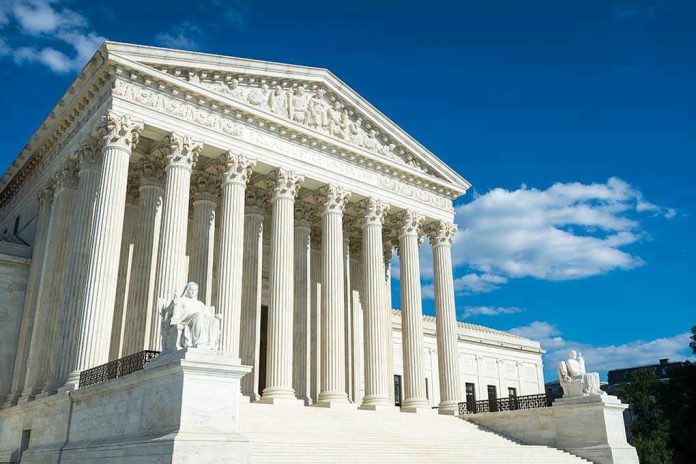
A 240-year-old American newspaper chose to die rather than honor a union contract, closing its doors hours after the Supreme Court refused to rescue it from federal labor law.
Story Snapshot
- Pittsburgh Post-Gazette will cease all operations on May 3, 2026, ending 240 years of publication
- Closure announced hours after Supreme Court denied company’s request to avoid union contract obligations
- Owners claim $350 million in losses over 20 years, but unions call it retaliation for failed union-busting
- Workers endured three-year strike and decades without raises while management fought court battles
- Pittsburgh faces a news desert as both major local publications shut down simultaneously
The Supreme Court’s Final Blow
Block Communications Inc. received the ultimate rejection on January 7, 2026, when the Supreme Court denied their emergency request to avoid complying with union healthcare obligations. Within hours, the company announced via pre-recorded video that the Post-Gazette would publish its final edition on May 3. No company officials appeared live to face their employees during this corporate execution.
Pittsburgh Post-Gazette ownership announces it’s shutting down paper in May.
READ MORE: https://t.co/JtyMolmWkr pic.twitter.com/yWnzCqlEgg
— WGN TV News (@WGNNews) January 8, 2026
The timing reveals everything about the company’s priorities. Rather than comply with federal labor law upheld by every court level, ownership chose institutional suicide. This wasn’t a gradual decline but a calculated corporate tantrum thrown by owners who spent millions fighting their own workers in court.
Three Years of Worker Sacrifice
The Newspaper Guild of Pittsburgh tells a different story than management’s financial sob tale. Workers went over 20 years without across-the-board wage increases, accepting “shared sacrifice” to keep the paper viable. Their reward came in July 2020 when Block Communications unilaterally tore up their collective bargaining agreement and slashed healthcare benefits.
Editorial workers struck on October 18, 2022, beginning one of the longest media strikes in modern American history. For three years, journalists who had dedicated their careers to serving Pittsburgh were locked out while management burned through legal fees fighting court order after court order. Every single ruling favored the workers.
A Pattern of Legal Defeats
The company’s legal strategy resembled a gambler doubling down on losing bets. An administrative law judge ordered contract restoration in January 2023. The National Labor Relations Board upheld and expanded that ruling in September 2024. The Third Circuit Court of Appeals enforced healthcare restoration in March 2025, then upheld broader contract terms in November 2025.
Dinosaurs, mostly leftist, will disappear steadily, then in a rush. Not sadly missed:
"Pittsburgh Post-Gazette ownership announces it's shutting down paper in May"
— @SHEPMJS (@shepmjs) January 8, 2026
Block Communications lost two additional Third Circuit appeals before their final Hail Mary to the Supreme Court. The U.S. Solicitor General, NLRB, and union all opposed their stay request. Even the nation’s highest court recognized the frivolous nature of management’s position.
The Real Cost of Corporate Stubbornness
Block Communications claims $350 million in losses over two decades, but conveniently omits how much they spent on legal fees fighting their own workforce. Union president Andrew Goldstein noted the obvious: “Instead of simply following the law, the owners chose to punish local journalists and the city of Pittsburgh.” The company’s legal obligations don’t disappear with closure either.
Pittsburgh now faces a news desert. The simultaneous closure of Pittsburgh City Paper, also owned by Block Communications, eliminates both major local publications. This creates exactly the kind of information vacuum that allows corruption to flourish and civic engagement to wither. The timing suggests a scorched-earth strategy rather than genuine financial necessity.
Sources:
Why is the Pittsburgh Post-Gazette Closing? – Pittsburgh Magazine
Pittsburgh Post-Gazette to close after 239 years following union dispute – Courthouse News Service
Post-Gazette to publish final edition and cease operations on May 3 – Pittsburgh Post-Gazette