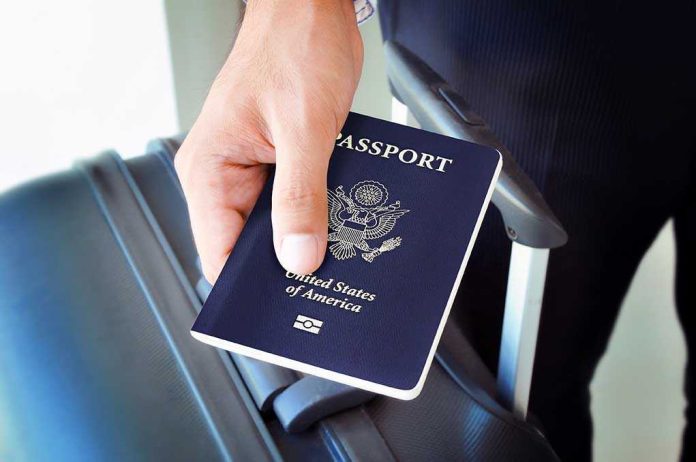
Is the world really shutting its doors on American travelers, or is this just another case of misinformation?
Story Overview
- No global movement to cancel visas for Americans exists; this is a misconception.
- Recent U.S. travel bans have sparked discussions about potential retaliatory measures.
- The 2025 U.S. travel ban affected nationals from 39 countries.
- Despite speculation, no countries have taken a universal stance against American travelers.
Understanding the 2025 U.S. Travel Bans
The real story lies in the United States’ own actions. In 2025, the Trump administration reinstated travel bans affecting nationals from 39 countries. These bans were justified by concerns over national security, citing inadequate vetting and cooperation from the affected countries. This move sparked a flurry of commentary and concern over potential retaliation from the international community, yet no collective action materialized.
Critics argue the bans are discriminatory, pointing out that they disproportionately affect nations from Africa, the Middle East, and certain parts of Asia. The White House, however, maintains that these measures are essential for protecting national security. Despite the controversy, the bans primarily affect foreign nationals, not U.S. citizens traveling abroad.
Why Are Retaliations Unlikely?
Reciprocal actions like canceling visas for Americans would be costly for the countries involved. Many of these countries rely on tourism, international business, and educational exchanges with the United States. Blanket visa cancellations would not only damage their economies but also sever important diplomatic ties. Historically, nations tend to respond with more targeted measures, such as increased visa fees or additional vetting for U.S. travelers.
Moreover, the concept of universal visa cancellation lacks a precedent in modern international relations. Even when tensions rise between major powers, responses are typically measured and targeted rather than sweeping and indiscriminate.
The Broader Implications of Travel Restrictions
The impacts of these travel bans extend beyond immediate diplomatic relations. They affect global perceptions of the U.S. as a welcoming nation. Educational institutions and industries reliant on international talent face challenges in recruitment and collaboration. These bans also fuel ongoing debates within the U.S. regarding immigration policy and national security.
Advocacy groups and legal experts continue to voice concerns over the humanitarian and economic consequences of such broad restrictions. However, the U.S. remains firm in its stance that these measures are necessary for maintaining security and border integrity.
Looking Forward: What Could Change?
While the current scenario does not include a mass cancellation of visas for Americans, the situation is fluid. Political dynamics, economic pressures, and international relations could influence future policies on both sides. For now, the focus remains on monitoring the effects of the U.S. travel bans and advocating for fair treatment of affected nationals.
As discussions continue, stakeholders from various sectors—universities, legal experts, and human rights organizations—play crucial roles in shaping the narrative and influencing potential policy adjustments. Their voices are essential in ensuring that immigration and travel policies adhere to principles of fairness and non-discrimination.